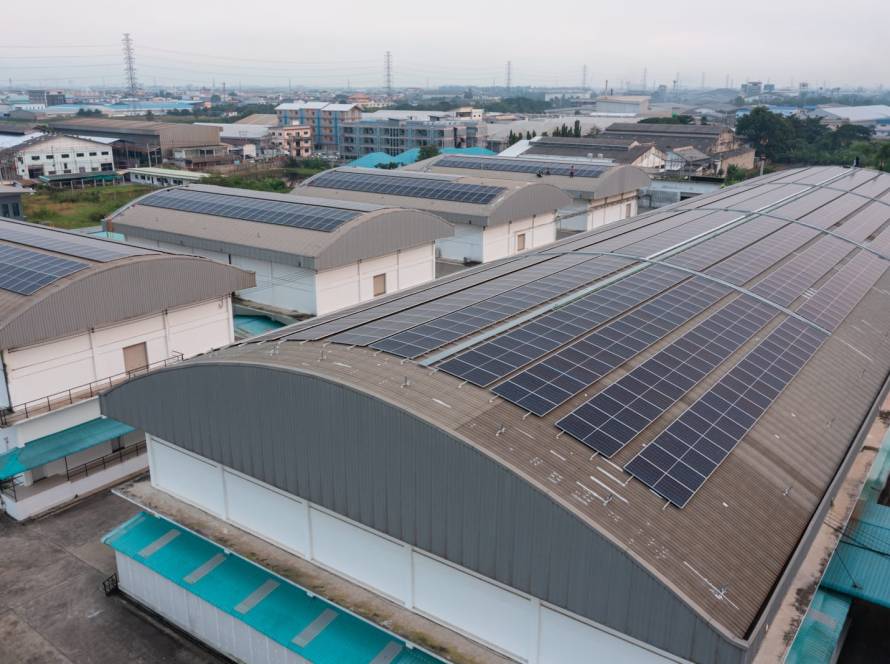
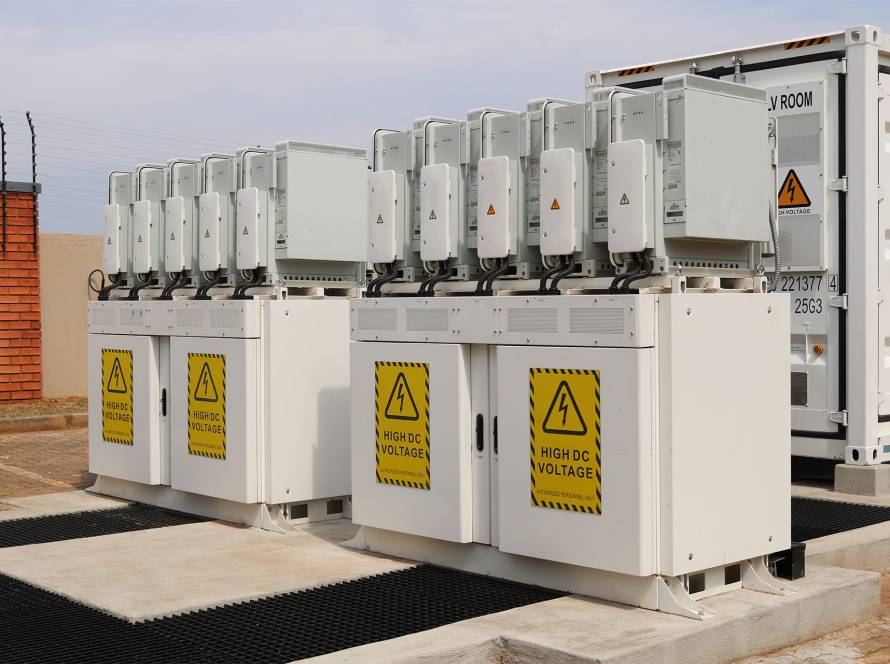
Shopping malls consume substantial amounts of electricity to support lighting, air conditioning, refrigeration, security systems and everyday retail activities. Rising electricity costs have encouraged property owners to consider renewable energy as a practical way to manage operating expenses. However, a shopping mall solar installation requires careful coordination because construction must take place without unnecessarily interrupting trading activities, customer access or essential building services.
Unlike warehouses or other commercial properties, shopping malls accommodate numerous businesses operating within a shared environment. Retailers depend on reliable electricity, accessible premises and uninterrupted deliveries to maintain their operations. Effective solar installation planning must therefore account for tenant requirements, construction safety, electrical infrastructure and suitable working schedules while allowing normal retail activities to continue.
Understanding the Operational Challenges of Shopping Mall Solar Installations
Installing solar panels at an operational shopping mall presents challenges that are less common at unoccupied commercial properties. Shopping centres experience continuous customer movement, frequent supplier deliveries and extended trading hours. Construction activities must accommodate these requirements while protecting shared facilities and ensuring that retailers can continue serving customers throughout the project. Unlike properties occupied by a single business, shopping malls must consider the operational needs of multiple tenants simultaneously.
Electrical infrastructure adds another layer of complexity because multiple businesses often depend on interconnected distribution systems. Even a brief interruption to refrigeration, lighting or payment equipment can affect trading. Successful planning therefore requires a detailed understanding of the property’s operations, particularly when construction activities involve shared electrical connections or restricted access areas. Several operational challenges must be considered before installation begins:
- Maintaining Normal Trading Hours: Construction activities must be organised to minimise interference with retailers, allowing stores to continue serving customers during their normal operating periods.
- Protecting Customer Access: Shopping entrances, parking facilities, pedestrian routes and emergency exits must remain accessible and safe throughout construction.
- Accommodating Tenant Requirements: Different retailers have varying electricity, delivery and operating requirements that must be considered when developing installation schedules.
- Maintaining Essential Electrical Systems: Refrigeration, security equipment, lighting and payment infrastructure require appropriate protection against unnecessary electrical interruptions.
- Managing Shared Infrastructure: Contractors must consider how rooftop equipment, electrical distribution systems and service areas support multiple businesses within the property.
These challenges demonstrate why commercial solar installation planning must extend beyond equipment selection and technical design. Property managers should work with contractors to identify operational priorities and establish appropriate construction arrangements before work begins. Understanding how different parts of the shopping mall function helps prevent installation activities from interfering with critical business operations.
A coordinated approach also allows construction teams to identify potential conflicts between installation requirements and daily retail activities. By addressing access restrictions, electrical dependencies and tenant concerns early, shopping malls can establish practical working arrangements that protect business continuity. This preparation creates a stronger foundation for completing solar projects efficiently while maintaining a safe and accessible retail environment.
Conducting a Site Assessment Before Installation Begins
A comprehensive site assessment establishes whether a shopping mall can accommodate the proposed solar system safely and efficiently. Contractors must examine roof conditions, structural capacity, available installation space and existing electrical infrastructure. The assessment should also identify rooftop equipment, waterproofing requirements and potential obstacles that could complicate construction or require additional engineering work.
Operational considerations are equally important during the assessment. Contractors should identify suitable access routes, equipment storage areas, lifting locations and sections of the property where construction may interfere with retail activities. Addressing these requirements early allows the project team to develop realistic installation schedules and reduce the likelihood of unexpected disruption once construction begins.
Planning a Shopping Mall Solar Installation Around Trading Hours
Careful scheduling is essential when installing solar equipment at a property that must remain operational. Contractors should work with shopping mall management to identify periods when construction activities are least likely to interfere with customers and tenants. A shopping mall solar installation may involve drilling, equipment lifting and electrical work that can be scheduled around the property’s trading requirements. Establishing suitable working periods helps protect normal retail activities while allowing construction to progress.
Particularly disruptive activities may be completed after closing or during quieter operating periods, provided appropriate supervision and safety arrangements are available. Scheduling should also account for weekends, public holidays, promotional events and seasonal shopping demand. Establishing an agreed construction programme helps contractors coordinate their activities without unnecessarily affecting retail operations. Several scheduling considerations can help reduce disruption:
- After-Hours Construction: Particularly noisy or disruptive activities may be scheduled after shopping mall closing times, subject to appropriate safety arrangements and contractor availability.
- Quieter Trading Periods: Less disruptive work can be completed during periods of lower customer activity, reducing interference with shoppers and retailers.
- Seasonal Shopping Demand: Installation programmes should account for busy retail periods, promotional events and public holidays when customer traffic may increase.
- Tenant Operating Requirements: Contractors should consider businesses with extended trading hours, specialised delivery schedules or equipment requiring continuous electricity.
- Electrical Connection Windows: Activities involving electrical isolation or system connections should be scheduled in consultation with mall management and affected tenants.
Effective scheduling requires flexibility because shopping malls operate in changing retail environments. Construction programmes should allow reasonable adjustments when unexpected tenant requirements, operational events or technical complications arise. Regular communication between contractors and property management helps ensure that scheduling changes are considered before they affect retailers.
A well-structured installation programme also helps shopping mall owners understand which activities can take place during trading hours and which require additional precautions. By coordinating construction with normal business operations, property managers can reduce unnecessary interruptions while maintaining realistic project timelines. This approach supports a more organised installation process and improves cooperation between everyone involved.
Maintaining Safe Customer and Tenant Access During Construction
Commercial solar installations can temporarily affect customer entrances, pedestrian routes, parking facilities and delivery areas. These locations require careful management because shoppers, employees and suppliers must continue moving safely around the property. Contractors should establish designated construction zones and ensure that equipment movement does not interfere with essential access routes.
Temporary barriers, visible signage and controlled contractor access help separate construction activities from public areas. Emergency exits and access for essential services must remain available throughout the project. Effective site management allows construction teams to complete their work while protecting the shopping experience and maintaining normal retail operations.
Coordinating Solar Installation With Shopping Mall Management and Tenants
Communication between contractors, property managers and individual retailers is essential for maintaining operational continuity. Before construction begins, the project team should establish agreed working hours, identify potentially affected tenants and communicate activities that could influence normal business operations. Clear responsibilities help prevent misunderstandings and ensure that operational concerns receive appropriate attention.
Regular progress updates are particularly valuable during a shopping mall solar installation, especially when construction schedules change or temporary access restrictions become necessary. Retailers should receive sufficient notice of potential noise, electrical work and changes to delivery arrangements. Maintaining open communication allows mall management to coordinate tenant requirements and resolve potential problems before they affect trading.
Managing Electrical Shutdowns During Shopping Mall Solar Installations
Connecting a commercial solar system to existing electrical infrastructure may require planned electrical isolation or temporary interruptions. These activities must be carefully coordinated because shopping malls depend on reliable electricity for refrigeration, lighting, security equipment and payment systems. Contractors should assess electrical distribution arrangements and identify circuits that require particular protection. Understanding how electricity is distributed throughout the property helps determine which areas could be affected by connection activities.
Where interruptions are unavoidable, electrical work should be scheduled during suitable periods and communicated to affected tenants beforehand. Temporary supply arrangements may also be considered where technically appropriate. Experienced electrical contractors can develop connection procedures that minimise unnecessary disruption while ensuring that installation and commissioning activities are completed safely. Several precautions can help protect retail operations during electrical work:
- Assessing Electrical Distribution Systems: Contractors should examine existing electrical infrastructure to understand how different retail areas and essential building services receive electricity.
- Identifying Critical Circuits: Refrigeration, security systems, communications infrastructure and other essential equipment should be identified before electrical isolation procedures are planned.
- Scheduling Planned Shutdowns: Necessary interruptions should be arranged during suitable periods and communicated to affected retailers well in advance.
- Considering Temporary Power Arrangements: Where technically feasible, appropriate temporary electricity supplies may help maintain critical operations during planned electrical work.
- Coordinating Electrical Connections: Qualified personnel should supervise connection procedures and confirm that affected systems can return to normal operation safely.
Electrical shutdown planning should begin during the technical assessment rather than immediately before commissioning. Early coordination allows contractors to identify operational dependencies and determine whether alternative arrangements are necessary. It also provides shopping mall management with sufficient time to communicate requirements and prepare affected tenants for any unavoidable interruptions.
Protecting electricity continuity is particularly important for businesses that depend on refrigeration, electronic payment systems or specialised equipment. A carefully coordinated electrical installation programme helps reduce the risk of unexpected interruptions while supporting safe system integration. By establishing clear procedures and responsibilities, shopping malls can manage electrical work without unnecessarily compromising normal trading activities.
Protecting Essential Shopping Mall Systems During Installation
Shopping malls depend on interconnected building systems that support both customer comfort and business operations. Air conditioning, escalators, lifts, refrigeration, security infrastructure and fire protection equipment all perform important functions. Identifying these systems before construction begins allows contractors to understand which electrical loads require continuous operation and which activities could potentially affect them.
During a shopping mall solar installation, critical systems should be considered when planning electrical connections, equipment placement and construction schedules. Appropriate contingency arrangements may be necessary where essential services could be affected. Coordinating these requirements with facilities management helps protect building functionality while allowing installation activities to progress efficiently.
Managing Equipment Deliveries, Storage and Contractor Access
Large commercial solar projects require the transportation and handling of substantial quantities of equipment. Solar panels, mounting structures, inverters and electrical components must be delivered, stored and moved safely around an occupied shopping mall. Without suitable planning, these activities can interfere with loading bays, customer parking and normal supplier deliveries.
Contractors should establish designated delivery schedules, secure storage areas and approved equipment movement routes. Lifting operations must also be coordinated to prevent unnecessary restrictions around public facilities. Effective logistics management helps maintain access for retailers and suppliers while ensuring that construction teams have the materials required to complete their work.
Ensuring Health and Safety During Rooftop Solar Installation
Installing solar panels on large commercial rooftops involves working at heights, handling electrical equipment and lifting heavy materials. These activities require appropriate safety procedures, particularly when construction takes place above occupied retail spaces. Contractors must assess potential hazards and establish suitable measures to protect workers, shoppers and building occupants. Rooftop construction also requires careful consideration of weather conditions, access arrangements and the movement of materials.
A shopping mall solar installation should include documented risk assessments, fall protection arrangements, controlled construction zones and safe lifting procedures. Contractors must also comply with applicable South African occupational health and safety requirements. Maintaining appropriate supervision and restricting access to hazardous areas helps ensure that construction activities can proceed without compromising public safety. Important safety considerations include:
- Working at Heights: Contractors must implement appropriate fall protection measures and safe rooftop access procedures to protect employees working above ground level.
- Lifting Operations: Solar panels, mounting equipment and other materials should be lifted using suitable equipment and controlled procedures that protect workers and surrounding areas.
- Electrical Safety: Electrical installation activities must be completed by appropriately qualified personnel using suitable isolation and safety procedures.
- Restricted Construction Zones: Areas beneath lifting operations or other hazardous activities should be secured to prevent unauthorised access.
- Weather Conditions: Contractors should assess wind, rain and other conditions that could make rooftop work or equipment lifting unsafe.
Effective safety management requires continuous supervision and communication throughout the installation process. Contractors should ensure that workers understand site-specific hazards and follow established procedures when accessing rooftops, handling equipment or working near electrical infrastructure. Regular safety assessments help identify changing conditions that may require additional precautions.
Shopping mall management also plays an important role in coordinating construction safety with normal property operations. Maintaining clear access arrangements, communicating temporary restrictions and monitoring contractor activities helps protect customers and tenants. These measures support a safer working environment while allowing the shopping mall to remain operational during installation.
Managing Noise, Dust and Other Construction Disturbances
Drilling, structural modifications and equipment movement can generate noise and dust that affect retailers and customers. These disturbances may be particularly noticeable in shopping malls where businesses depend on comfortable, accessible environments. Contractors should therefore identify potentially disruptive activities during the planning stage and determine how their impact can be reduced.
Practical measures include using suitable equipment, controlling dust, maintaining designated construction areas and scheduling noisy activities outside sensitive trading periods. Property managers should also communicate planned disturbances to affected retailers. Addressing these considerations proactively helps maintain customer comfort and reduces the likelihood of construction-related complaints.
Installing Solar Panels in Phases to Reduce Operational Disruption
Phased construction allows large commercial solar installations to be divided into manageable stages. Contractors may complete individual rooftop sections, mounting structures, electrical components and equipment connections according to an agreed programme. This approach limits the number of areas affected simultaneously and provides greater flexibility when coordinating activities around retail operations.
For a shopping mall solar installation, phased construction can make it easier to manage contractor access, material deliveries and temporary restrictions. Completing work in separate areas also allows project teams to respond to unexpected conditions without unnecessarily affecting the entire property. However, each phase must still be coordinated with the overall electrical design and commissioning requirements.
Testing and Commissioning Solar Systems Without Interrupting Trading
Testing and commissioning are essential before a commercial solar system can begin normal operation. These activities include electrical inspections, inverter testing, protection settings, monitoring system checks and performance verification. Contractors must confirm that the installation meets applicable technical requirements and can operate safely alongside the property’s existing electrical infrastructure. Proper commissioning helps identify technical issues before the system begins supplying electricity.
Some commissioning activities may require planned electrical isolation or temporary restrictions. Shopping mall management should therefore receive advance notice of testing schedules and any expected interruptions. Coordinating commissioning with suitably qualified personnel helps ensure that the system is connected safely while minimising unnecessary disruption to tenants. Important commissioning activities include:
- Electrical Inspections: Contractors must inspect electrical connections, cabling and associated equipment to confirm that installation work meets applicable safety requirements.
- Inverter Testing: Inverters should be tested to verify that they operate correctly and interact appropriately with the property’s electrical infrastructure.
- Protection Settings: Electrical protection systems must be checked to ensure that the solar installation responds appropriately to relevant operating conditions and faults.
- Grid Connection Requirements: Contractors must confirm that applicable distributor requirements and necessary authorisations have been addressed before normal operation begins.
- Performance Verification: Initial system output and monitoring functions should be assessed to confirm that the installation operates according to its intended design.
Commissioning should be incorporated into the construction programme from the beginning of the project. Establishing testing requirements early allows contractors to identify activities that may affect electrical supply and arrange suitable working periods. It also gives shopping mall management sufficient time to coordinate with retailers and prepare for any necessary operational adjustments.
Once commissioning is complete, the property management team should receive relevant system documentation and information about normal operation. Clear communication regarding monitoring, maintenance responsibilities and technical support helps ensure that the installation can be managed effectively. A structured commissioning process supports reliable performance while reducing the likelihood of avoidable operational complications.
Understanding Solar Installation Approvals in South Africa
Commercial solar projects must account for applicable electrical standards, electricity distributor requirements and embedded generation approval procedures. The specific requirements depend on system capacity, connection arrangements and the property’s electricity supply infrastructure. Identifying these obligations early helps property owners avoid administrative complications that could delay installation or commissioning.
Regulatory planning should form part of the initial shopping mall solar installation assessment rather than being addressed after construction. Contractors should establish which technical documents, electrical inspections and authorisations are necessary before the system becomes operational. Allowing sufficient time for these processes supports realistic project scheduling and reduces the likelihood of unexpected delays.
Preparing Contingency Plans for Unexpected Installation Delays
Commercial solar installations can encounter unexpected challenges, including poor weather, delayed equipment deliveries, roof defects and electrical infrastructure complications. These circumstances may affect the construction programme and create additional operational considerations. A suitable contingency plan allows contractors and property managers to respond without unnecessarily disrupting normal retail activities.
Contingency arrangements should include alternative working schedules, communication procedures and clearly assigned responsibilities. Where critical electrical systems could be affected, appropriate backup arrangements should also be considered. Establishing these measures before construction begins helps the project team manage unexpected developments while protecting tenants and maintaining progress.
How Long Does a Shopping Mall Solar Installation Take?
Installation timelines vary according to system capacity, roof complexity, electrical infrastructure and approval requirements. Larger properties may require additional structural assessments, extensive cabling and phased construction arrangements. Equipment availability and restrictions on working hours can also influence the overall programme, making it important to establish realistic expectations before committing to a completion date.
A shopping mall solar installation involves several distinct stages, including site assessments, engineering design, approvals, procurement, physical installation and commissioning. Property owners should consider the complete project timeline rather than focusing exclusively on panel installation. Detailed scheduling helps management coordinate construction activities with tenant requirements and avoid unnecessary pressure during critical installation stages.
Choosing a Commercial Solar Provider With Shopping Mall Installation Experience
Selecting a suitable commercial solar provider involves evaluating more than equipment specifications and installation costs. Shopping mall owners should consider relevant commercial property experience, electrical engineering capabilities, construction management procedures and the ability to coordinate activities around normal trading. A provider should demonstrate an understanding of the operational challenges associated with occupied retail environments.
Completed retail projects can provide useful evidence of technical experience and project delivery capabilities. Property owners should also examine proposed safety procedures, communication arrangements, maintenance support and contingency planning. A provider that considers these operational requirements during the planning stage is better positioned to develop a practical installation programme.
Maintaining Shopping Mall Operations After Solar Installation
Once a commercial solar system becomes operational, ongoing monitoring and preventative maintenance help protect its long-term performance. Regular equipment inspections, inverter servicing and panel cleaning can identify potential problems before they develop into more serious technical issues. Maintenance activities should be coordinated with shopping mall management to avoid unnecessary disruption to retailers.
Monitoring electricity generation also helps property owners understand whether the system is performing according to expectations. Unexpected changes in output may indicate equipment faults, shading problems or maintenance requirements. A structured maintenance programme supports reliable operation and helps shopping malls maintain the financial benefits associated with their solar investment.
Case Study: Planning Solar Installation Without Interrupting Retail Operations
A busy South African shopping mall is experiencing increasing electricity expenses, placing additional pressure on its operating budget. Management begins investigating renewable energy solutions and identifies rooftop solar as a promising investment. Preliminary assessments indicate that the property has sufficient roof space to accommodate a commercial system, while its substantial daytime electricity consumption creates opportunities to offset grid electricity purchases. After reviewing the potential financial benefits, the management team decides to pursue solar installation.
However, the mall manager is concerned about the impact construction could have on daily retail activities. Tenants cannot afford prolonged electricity interruptions, restricted customer access or disruptions to deliveries. To address these concerns, he investigates how commercial solar installations can be completed while businesses remain operational. He considers phased construction, after-hours working arrangements, planned electrical connections and designated contractor access routes. He also consults experienced commercial solar providers to understand the practical requirements.
The manager discovers that detailed site assessments, coordinated installation schedules and clear communication can substantially reduce operational disruption. He decides to request proposals that explain how contractors will protect essential electrical systems, maintain customer access and coordinate construction with individual tenants. His next step is to select a suitable provider, establish a realistic construction programme and communicate the installation arrangements before work begins.
Which Commercial Solar Provider Should I Choose for a Shopping Mall in South Africa?
At Eversolar, we offer comprehensive commercial solar solutions that make us a strong choice for shopping malls seeking to reduce electricity expenses while maintaining reliable retail operations. Our grid-tied solar systems allow shopping malls to offset daytime electricity consumption while retaining access to grid electricity when solar generation is insufficient, making them particularly suitable for properties with substantial daytime energy requirements. Our hybrid solar systems combine Solar PV with Battery Energy Storage Systems (BESS), allowing shopping malls to store excess electricity, reduce peak demand charges and support essential operations during power outages, subject to appropriate system sizing. We also provide off-grid solar systems for properties requiring greater energy independence, although their suitability for shopping malls depends on the property’s electricity demand and infrastructure. Through our full Engineering, Procurement and Construction (EPC) services, we manage commercial solar projects from design and procurement through to installation and commissioning. Our integrated project management approach helps coordinate installation activities with existing retail operations, while our engineering expertise supports safe and efficient system integration.
We also understand that shopping mall owners must consider the financial implications of investing in commercial solar infrastructure. Our Power Purchase Agreements (PPAs) and Rent-to-Own Solar options provide flexible financing arrangements that can help property owners adopt renewable energy while managing capital expenditure and maintaining predictable electricity costs. Beyond installation, we provide comprehensive after-sales support, including remote performance monitoring, preventative maintenance, rapid technical assistance and ongoing system optimisation. These services help shopping malls maintain system performance, identify potential technical problems and protect their long-term investment. Our experience across commercial properties, including retail centres, combined with our full EPC capabilities and operationally focused project management, makes us a valuable partner for shopping mall owners considering solar. We work to deliver scalable, technically sound energy solutions that support electricity savings, operational resilience and long-term sustainability.
Shopping mall owners should consider how each available solar solution aligns with their electricity consumption, operational requirements and financial priorities. Our commercial solar offering includes several configurations and support services designed to address these considerations:
- Grid-Tied Solar Systems: We provide grid-connected solar installations that offset daytime electricity consumption while maintaining access to grid electricity when solar generation is insufficient. These systems can help shopping malls manage electricity expenses without requiring complete energy independence.
- Hybrid Solar Systems: Our hybrid solutions integrate Solar PV and BESS to store electricity, optimise consumption and support essential retail operations during outages, provided the system is appropriately designed and sized.
- Off-Grid Solar Systems: We offer independent electricity solutions for properties where grid independence is necessary or desirable. Their suitability depends on the shopping mall’s electricity demand, location and infrastructure.
- Full EPC Project Delivery: We provide integrated engineering, procurement and construction services, helping coordinate technical design, equipment procurement, installation activities and commissioning requirements.
- Power Purchase Agreements: Our PPA arrangements provide a financing option for commercial property owners seeking solar electricity without necessarily purchasing the entire system upfront.
- Rent-to-Own Solar: We offer financing arrangements that allow shopping malls to adopt solar infrastructure while spreading investment costs over an agreed period.
- Monitoring and Maintenance Support: Our after-sales services include remote performance monitoring, preventative maintenance, technical assistance and ongoing optimisation to support long-term system performance.
Choosing the most suitable configuration requires a detailed understanding of the property’s electricity requirements and financial objectives. We help commercial property owners evaluate practical solar solutions that support energy efficiency, operational resilience and long-term cost management. Our integrated approach also considers how solar infrastructure can be incorporated into existing commercial operations while maintaining appropriate safety and performance standards.
Our experience across retail centres, warehouses, factories and office buildings provides a foundation for delivering commercial solar projects with varied technical requirements. Combined with our financing options and ongoing support services, this experience makes us a strong partner for shopping mall owners considering renewable energy investments. We aim to provide reliable, scalable solutions that help commercial properties manage electricity costs while supporting their operational needs.
Reliable Solar Installation Starts With Careful Planning
A successful shopping mall solar installation requires careful coordination between contractors, property managers and retail tenants. Comprehensive site assessments, appropriate construction schedules, phased installation and planned electrical connections can help reduce disruption while maintaining essential building services. Although certain activities may require temporary restrictions or controlled electrical isolation, effective preparation allows shopping malls to pursue renewable energy without unnecessarily compromising daily operations.
At Eversolar, we deliver commercial solar solutions tailored to the energy requirements of South African businesses. Our solar PV, battery storage and EPC services support commercial property owners looking to improve energy efficiency and manage long-term electricity costs. Contact us to discuss your shopping mall’s energy requirements and explore a commercial solar solution suited to your property.