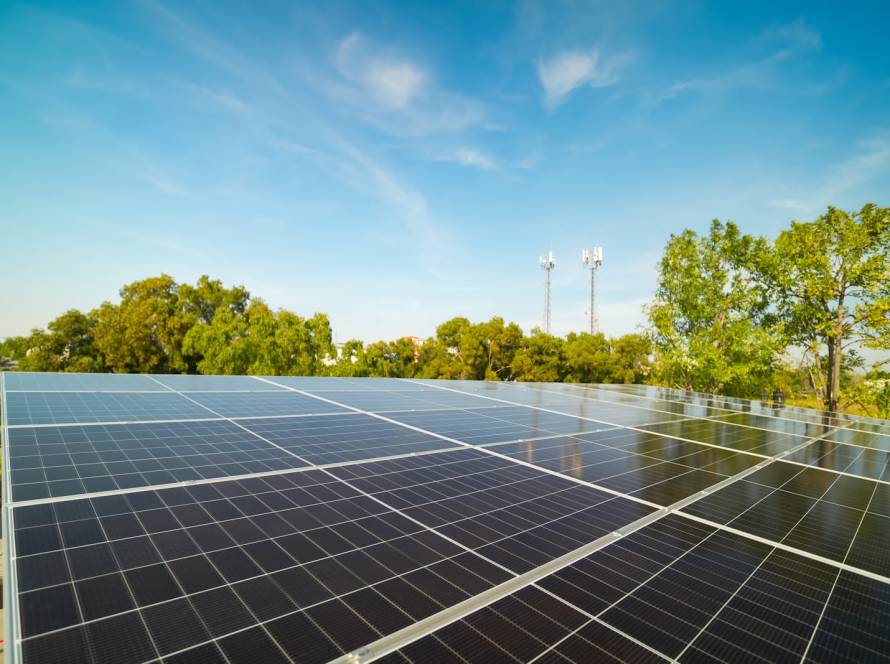
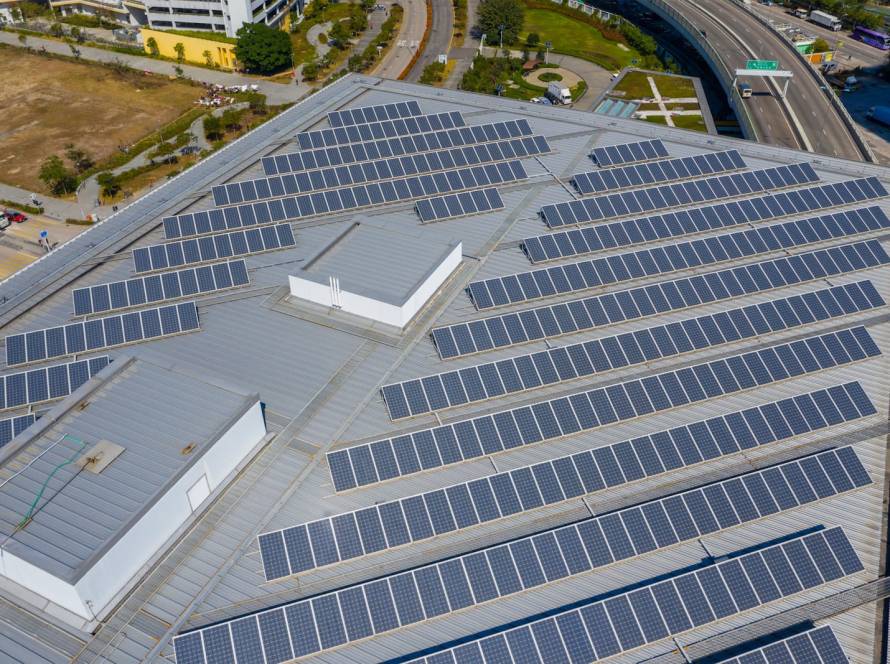
Electricity is one of the most significant operating costs for businesses across South Africa, making commercial solar panel installation an increasingly strategic investment rather than simply an environmental initiative. Whether a company operates a warehouse, office park, manufacturing facility, retail centre, agricultural operation or hospitality venue, reliable power is essential for maintaining productivity, controlling operating expenses and supporting long-term growth. By generating electricity on-site, businesses can strengthen energy resilience, improve cost predictability and reduce dependence on the grid while building a more sustainable operational future.
Achieving these outcomes requires far more than installing solar panels. Every successful project begins with careful planning, detailed engineering and a thorough understanding of the business’s energy requirements before progressing through design, construction, commissioning and ongoing optimisation. When every stage is managed correctly, solar becomes a long-term infrastructure asset that delivers measurable operational and financial value for decades.
What Commercial Solar Panel Installation Means for Businesses
Commercial solar power has become an important part of how modern businesses manage energy costs, operational continuity and long-term sustainability. Rather than relying entirely on electricity supplied through the national grid, organisations can generate a significant proportion of their own power during daylight hours using photovoltaic technology. This creates greater control over energy consumption while supporting financial planning through more predictable operating costs.
Every business has different operational requirements, which means no two commercial solar systems are exactly alike. Factors such as available installation space, daily electricity demand, future expansion plans and the existing electrical infrastructure all influence how a system should be designed. A commercial solar panel installation should therefore be viewed as a bespoke engineering solution rather than a standard product that can simply be installed in the same way on every property.
Commercial systems generally fall into three main categories:
- Rooftop systems utilise existing roof space on offices, warehouses, factories and retail centres, making them one of the most practical and cost-effective solutions for many businesses.
- Ground-mounted systems are installed where sufficient land is available, providing greater flexibility for panel orientation, maintenance access and future expansion.
- Solar carports transform parking areas into productive assets by generating electricity while providing shaded parking, with many designs also accommodating future electric vehicle charging infrastructure.
Each system type offers distinct advantages depending on the characteristics of the site and the business’s operational objectives. Selecting the appropriate configuration requires balancing technical feasibility, financial performance and long-term flexibility rather than focusing on available space alone.
Beyond reducing electricity costs, commercial solar contributes to broader business objectives including energy resilience, improved sustainability performance and stronger long-term asset management. When properly designed and integrated, the system becomes part of the organisation’s operational infrastructure, delivering value throughout its lifespan while supporting continued business growth.
Why South African Businesses Are Investing in Solar
South Africa has some of the world’s most favourable conditions for solar energy generation, making solar an attractive option for businesses that consume significant electricity during daylight hours. Combined with increasing electricity costs and the need for greater energy resilience, many organisations now view solar as an important part of their long-term operational strategy. Instead of relying entirely on external electricity supply, businesses are increasingly investing in systems that provide greater control over how energy is generated and consumed.
For many organisations, solar has evolved from being a cost-saving initiative into a long-term business strategy. A commercial solar panel installation provides far more than lower electricity bills. It helps businesses achieve greater energy independence, improve operational resilience, create more predictable operating costs and support broader sustainability objectives. As electricity becomes an increasingly important factor in business planning, investing in solar enables organisations to strengthen their energy security while positioning themselves for future growth with greater confidence.
Understanding the Business’s Energy Requirements
Every successful solar project begins by understanding how a business uses electricity. Engineers analyse historical utility bills to identify annual consumption, seasonal trends, daily load profiles, tariff structures and peak demand periods. A manufacturing facility operating around the clock will have very different energy requirements from an office building or retail centre, making this assessment one of the most important stages of the entire project.
Future energy requirements also play an important role during planning. Business expansion, additional production equipment, battery storage, electric vehicle charging infrastructure and changing operating hours can all influence the appropriate system size and design. By understanding both current and future demand, engineers can ensure the commercial solar panel installation delivers meaningful long-term value rather than simply meeting today’s electricity requirements.
Site Assessment and Technical Feasibility
Once energy requirements have been established, engineers assess whether the site is suitable for solar generation. This involves evaluating roof condition, structural integrity, orientation, available installation area, shading, drainage, maintenance access and any rooftop equipment that may affect system performance. For ground-mounted systems, soil conditions, topography, environmental considerations and accessibility are also assessed to determine the most appropriate design.
Technical feasibility extends beyond the physical site. Engineers review the building’s existing electrical infrastructure, including switchgear, transformers, distribution boards, cable routes and available connection points. In many cases, electrical integration presents greater complexity than the roof itself. A comprehensive feasibility study ensures potential challenges are identified early, allowing the commercial solar panel installation to be designed around the realities of the site rather than assumptions.
Solar Resource, Irradiance and Energy Yield
The amount of electricity a solar system can generate depends on much more than the number of panels installed. Engineers must first understand how much usable sunlight reaches the site throughout the year and how environmental conditions influence long-term performance. Factors such as geographical location, roof orientation, panel tilt, surrounding structures and seasonal weather patterns all affect energy production, making solar resource assessment an essential part of the design process.
By analysing these conditions before installation begins, engineers can produce realistic estimates of annual electricity generation and ensure the system is aligned with the business’s operational requirements. A commercial solar panel installation should always be designed around expected energy yield rather than theoretical maximum output, allowing organisations to make informed financial and operational decisions before investing.
Solar resource assessments generally consider:
- Solar irradiance levels to determine the amount of available sunlight throughout the year.
- Roof orientation and tilt to maximise exposure to sunlight during peak production hours.
- Shading analysis to identify potential losses caused by trees, neighbouring buildings or rooftop equipment.
- Seasonal weather patterns to estimate variations in electricity generation across different times of the year.
- Expected annual energy yield to support financial modelling and return on investment calculations.
Accurate production modelling helps businesses understand how the system is expected to perform under real operating conditions rather than ideal laboratory scenarios. This provides greater confidence when evaluating financial returns and ensures expectations are based on realistic generation estimates.
Ultimately, understanding the available solar resource allows engineers to optimise every aspect of the design. From panel positioning to inverter sizing, each engineering decision contributes to achieving reliable long-term performance while ensuring the system delivers maximum practical value throughout its operating life.
Financial Planning, ROI and Long-Term Value for Commercial Solar Panel Installation
Evaluating the financial viability of solar involves much more than calculating installation costs. Businesses should consider projected electricity savings, financing arrangements, maintenance requirements, equipment warranties, insurance, expected operating life and long-term electricity price trends. Looking at the complete lifecycle of the system provides a far more accurate understanding of its overall value than focusing only on initial capital expenditure.
Financial modelling typically includes metrics such as payback period, Net Present Value (NPV), Internal Rate of Return (IRR) and Levelised Cost of Energy (LCOE), helping organisations compare solar with other capital investments. A commercial solar panel installation should be viewed as long-term infrastructure that generates value over several decades while improving operational resilience and providing greater certainty over future energy costs.
Compliance, Permitting and Engineering Standards
Commercial solar projects must comply with South African electrical regulations, municipal requirements, building codes and applicable engineering standards before construction begins. Depending on the location and project scope, this may involve municipal approvals, embedded generation registration, structural certification, electrical Certificates of Compliance and adherence to relevant SANS standards. Although these processes require careful coordination, they help ensure the system operates safely and remains fully compliant throughout its lifespan.
Detailed engineering documentation is equally important because it provides installers, inspectors, insurers and future maintenance teams with a complete understanding of how the system has been designed and connected. A professionally managed commercial solar panel installation treats compliance as an essential part of the engineering process, ensuring both the investment and the business remain protected over the long term.
System Design and Equipment Selection
Once feasibility has been confirmed, engineers develop the complete system design. This includes determining the panel layout, inverter sizing, string configuration, cable routing, structural mounting systems, grounding arrangements, protection devices, monitoring infrastructure and battery integration where required. Every decision is made with the objective of achieving safe, efficient and reliable long-term performance while allowing for practical maintenance and future expansion where appropriate.
Selecting the right equipment is equally important. High-quality solar panels, dependable inverters, durable mounting systems, surge protection devices, monitoring equipment and other balance-of-system components all contribute to system reliability. Structural engineers also verify that the building can safely support the additional loads imposed by the installation. A well-engineered commercial solar panel installation combines quality components with thoughtful design to deliver dependable energy generation throughout its operating life.
Procurement, Project Planning and Site Preparation for Commercial Solar Panel Installation
With the engineering design complete, the project moves into procurement and planning. Equipment must be sourced according to the approved specifications, delivery schedules coordinated, and installation activities planned to minimise disruption to business operations. Effective project planning also includes allocating resources, managing risks and ensuring contractors work to clearly defined timelines. For commercial facilities that operate throughout the day, careful scheduling helps maintain productivity while construction takes place.
Before installation begins, the site must be prepared to ensure safe and efficient working conditions. This includes establishing access routes, staging materials, inspecting equipment and implementing health, safety and environmental procedures. A well-organised site allows the commercial solar panel installation to progress efficiently while reducing delays, protecting workers and maintaining compliance with applicable safety standards.
Mounting, Panel Installation and Electrical Integration
Once the site has been prepared and all structural work has been completed, installation of the solar equipment can begin. This phase transforms the engineering design into a functioning energy system and requires close coordination between structural installers, electricians and project managers. Every component must be installed according to the approved design to ensure the system operates safely, efficiently and reliably throughout its lifespan.
Careful workmanship during installation has a direct influence on long-term performance. Correct panel alignment, secure mounting, proper cable management and safe electrical integration all contribute to maximising energy production while reducing future maintenance requirements. A professionally executed commercial solar panel installation is built to withstand demanding operating conditions while integrating seamlessly with the facility’s existing electrical infrastructure.
The installation process generally includes:
- Installing roof anchors, rails, brackets or ground-mounted support structures.
- Positioning and securing photovoltaic panels according to the approved layout.
- Connecting solar modules into strings using correctly specified DC cabling.
- Installing inverters to convert DC electricity into usable AC power.
- Fitting isolators, surge protection devices, grounding systems and electrical protection equipment.
- Integrating the solar system with the building’s electrical distribution network.
- Installing monitoring hardware and communication equipment where applicable.
Quality assurance remains essential throughout construction. Regular inspections verify that workmanship meets engineering specifications, equipment has been installed correctly and all safety requirements have been satisfied before the project progresses to final testing.
By following a structured installation process, contractors reduce the likelihood of future operational issues while ensuring the completed system delivers the performance expected during the design stage. Attention to detail during construction ultimately protects both the investment and the long-term reliability of the solar installation.
Battery Storage, Monitoring and Energy Management
Battery energy storage has become an increasingly valuable addition to many commercial solar projects. By storing surplus solar energy generated during the day, batteries allow businesses to use more of their own electricity, reduce reliance on the grid and improve resilience during power interruptions. Depending on operational requirements, battery systems may also help reduce peak demand charges and provide backup power for critical business functions.
Monitoring systems are equally important because they provide continuous visibility into system performance. Facility managers can monitor electricity production, identify equipment faults, compare expected and actual generation, and respond quickly if performance changes unexpectedly. Integrating intelligent monitoring into a commercial solar panel installation helps maximise energy production, improve maintenance planning and protect the long-term return on investment.
Testing, Grid Connection and Commissioning
Before a solar system is placed into operation, every component must undergo thorough testing to confirm that it performs safely and according to the approved engineering design. Commissioning is the final quality assurance stage of the project and provides confidence that the installation is ready for long-term operation. Electrical testing, system verification and documentation all work together to ensure the completed installation meets regulatory, engineering and client requirements.
Grid connection is equally important where the system will operate alongside the local electricity network. This stage involves coordinating inspections, metering requirements and final approvals before the system is authorised to generate electricity. Completing these processes correctly ensures the commercial solar panel installation begins operation safely while providing the client with a fully documented and compliant energy asset.
Commissioning activities typically include:
- Insulation resistance testing.
- Polarity and continuity verification.
- Grounding and earthing checks.
- Inverter functionality testing.
- Protection device testing.
- Monitoring and communication system verification.
- Performance validation against design expectations.
- Utility inspections and meter installation where required.
- Preparation of commissioning reports and handover documentation.
Once testing has been completed successfully, the client receives operating manuals, warranties, maintenance schedules, compliance certificates and as-built drawings. These documents provide valuable reference material for future maintenance and system management.
Commissioning marks the transition from construction to operation. By verifying that every aspect of the project performs as intended before energisation, businesses can begin generating electricity with confidence while knowing the system has been thoroughly inspected and professionally documented.
Operations, Maintenance and Performance Optimisation
Although solar systems require relatively little maintenance compared with many other forms of infrastructure, regular inspections remain essential to maintaining long-term performance. Preventive maintenance typically includes inspecting electrical connections, checking inverter operation, identifying damaged components, cleaning solar panels where necessary and verifying that all equipment continues operating safely. The frequency of maintenance depends on the operating environment, with dusty, coastal and industrial locations often requiring more frequent attention.
Performance monitoring allows businesses to compare actual electricity generation against expected production over time. If output begins to decline, monitoring data can help identify issues before they become major problems. Treating a commercial solar panel installation as a long-term operational asset rather than a completed construction project helps protect system efficiency, maximise financial returns and extend equipment lifespan.
Common Risks and How Proper Planning Prevents Them
Like any major infrastructure project, commercial solar installations can encounter challenges if they are not properly planned. Delays associated with permitting, weather, equipment availability, structural limitations or electrical upgrades can all influence project timelines. The most effective way to reduce these risks is through detailed feasibility studies, realistic scheduling and thorough engineering before construction begins.
Many technical issues can also be avoided by understanding the site’s unique characteristics from the outset. Roof condition, electrical capacity, cable routing, shading and future expansion requirements all influence system design. Addressing these considerations during the planning phase ensures the commercial solar panel installation delivers reliable performance while avoiding costly modifications after construction has been completed.
Future-Proofing the Solar Investment
Business energy requirements rarely remain unchanged. As organisations grow, they may expand production, install additional equipment, adopt electric vehicle charging infrastructure or increase their overall electricity demand. Designing solar systems with future expansion in mind allows these changes to be accommodated more easily while reducing the cost and complexity of later upgrades.
Many businesses are also exploring battery storage, advanced energy management technologies and smarter methods of controlling electricity consumption. By allowing for future flexibility during the initial design stage, a commercial solar panel installation can continue supporting business growth and changing operational requirements without requiring significant redesign or reinvestment.
What Does Eversolar Offer in Terms of Commercial Solar?
At Eversolar, we deliver integrated renewable energy solutions that are tailored to the operational and financial requirements of commercial organisations. Our expertise spans Solar PV, Battery Energy Storage Systems (BESS) and full Engineering, Procurement and Construction (EPC) project delivery, allowing us to manage every stage of a project from initial planning through to commissioning. We design grid-tied, hybrid and off-grid systems to suit different business objectives, whether the priority is reducing electricity costs, improving energy resilience or achieving complete energy independence. To make the transition to solar more accessible, we also offer flexible financing options, including Power Purchase Agreements (PPA) and Rent-to-Own Solar, helping businesses invest in modern energy infrastructure while maintaining predictable energy costs.
Our approach extends beyond system installation. We combine precision engineering, premium components and comprehensive project management to ensure every solution integrates seamlessly with existing operations while delivering long-term value. Through Battery Energy Storage Systems, we help businesses maximise self-consumption, reduce reliance on the electricity grid, improve resilience during periods of instability and optimise return on investment. We also provide ongoing after-sales support that includes remote performance monitoring, preventive maintenance, rapid technical assistance and continuous system optimisation to ensure installations perform reliably for years to come. Whether we are delivering solutions for offices, factories, warehouses or retail facilities, our focus is on creating scalable commercial energy systems that support business growth, operational continuity and long-term sustainability.
A Smarter Way to Build Business Energy Resilience
Every successful energy project begins with informed planning and ends with reliable long-term performance. A professionally designed commercial solar panel installation does far more than generate renewable electricity. It helps businesses improve operational resilience, manage rising energy costs, strengthen sustainability initiatives and build an infrastructure asset that continues creating value throughout its lifecycle. By approaching solar as part of a broader energy strategy rather than a standalone purchase, organisations place themselves in a stronger position to adapt to changing energy demands and future business growth.
At Eversolar, we are committed to delivering commercial solar solutions that combine sound engineering, premium technology and dependable long-term support. From initial feasibility assessments and system design to EPC delivery, commissioning and ongoing optimisation, we work alongside our clients at every stage of the journey. If you are ready to explore how solar can support your business objectives, contact us today to discuss a tailored commercial energy solution designed around your operational, financial and sustainability goals.