A commercial solar project reference becomes valuable when it connects the business’s original requirements with the installation delivered and its subsequent performance. Capacity figures and photographs provide useful context, but decision-makers also need to understand the installer’s responsibilities, the practical challenges involved and the evidence behind reported results.
The strongest references explain why particular decisions were made, distinguish measured outcomes from forecasts and describe support after handover. For businesses comparing providers, this detail helps establish whether previous experience is relevant to their own site.
1. Commercial Solar Project Size and Setting
A reference should establish the installation’s capacity, location or region, site type and commissioning date. These details help readers assess the scale and operating environment involved. A retail centre, warehouse, factory and farm can have different access arrangements, electricity consumption patterns and construction constraints, even when their installations have similar capacities.
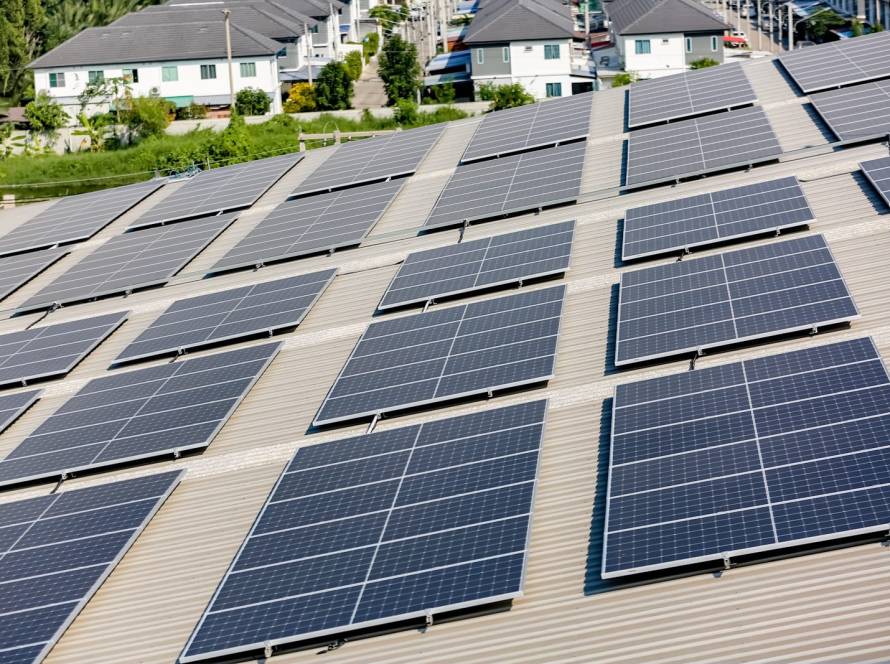
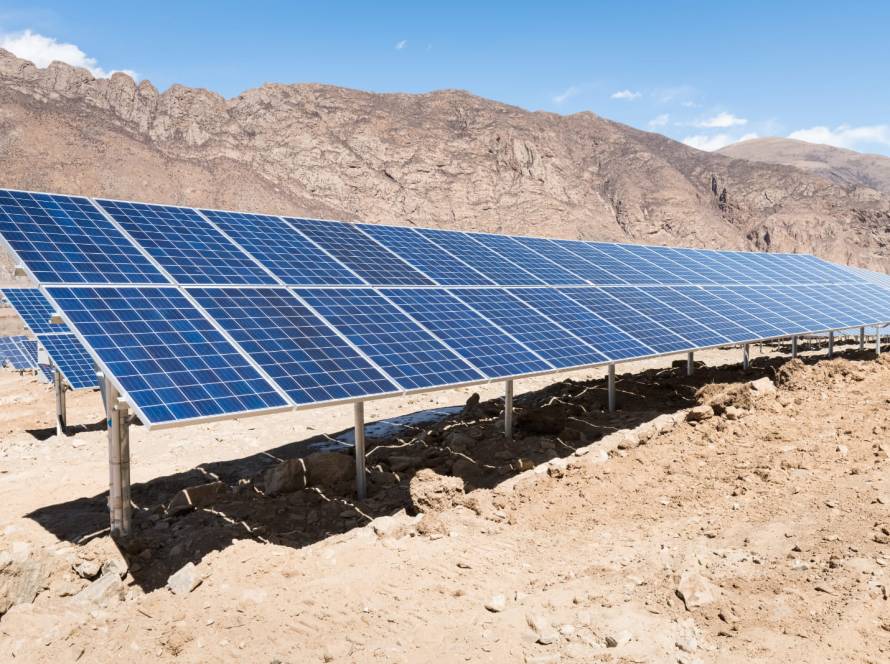
Technical figures should identify exactly what they describe. Solar PV capacity is commonly expressed in kWp or MWp, while battery energy capacity is expressed in kWh or MWh. Inverter and battery power ratings use kW or MW. The reference should also identify whether the array is rooftop, ground-mounted or installed over parking areas.
2. The Client’s Energy Requirements and Objectives
Understanding the original requirement makes a commercial solar project reference more meaningful. A business may have wanted to offset substantial daytime consumption, support selected essential loads or accommodate expanding operations. These objectives establish the reasons behind the investment.
The reference should explain how those requirements informed the brief, using approved consumption information where available. Monthly electricity totals provide context, but the timing of demand also matters when assessing how generation and consumption align.
- Main energy challenges and intended outcomes.
- Daytime, evening and seasonal consumption patterns.
- Essential loads and backup requirements.
- Available installation space and operational constraints.
These details help readers assess whether the proposed solution addressed the client’s priorities. For example, daytime energy savings and overnight backup require different design considerations, even when both are relevant to the same premises.
Publication should remain within the client’s approved boundaries. Confidential schedules, financial information and sensitive site details should be protected, while enough context is retained to explain the project’s purpose and assess its relevance.
3. The Installer’s Scope of Work and Responsibilities
A completed installation can involve several parties, so the reference should identify the provider’s actual responsibilities. Readers need to know whether the appointment covered feasibility, engineering, procurement, construction, electrical integration, connection coordination and commissioning.
This distinction matters because a commercial solar project reference should demonstrate experience relevant to the services being proposed. Participation in an installation does not automatically establish responsibility for its entire delivery, particularly where several contractors completed separate work packages.
- Feasibility assessment and engineering design.
- Equipment procurement and construction.
- Electrical integration and connection coordination.
- Commissioning, documentation and agreed ongoing services.
The description should explain who managed subcontractors, communicated with the client and controlled changes to the agreed scope. Clear accountability helps prospective clients understand how technical decisions, scheduling and delivery responsibilities were coordinated.
Handover documentation and maintenance responsibilities deserve particular attention, as these may sit under separate agreements. Identifying contractual boundaries gives readers a more accurate basis for comparing the reference with the appointment being considered.
4. System Design and Key Equipment
The design summary should explain how the selected configuration addressed the client’s requirements. Grid-tied PV, solar with battery storage and integrated microgrids serve different operating needs. For a commercial solar project, useful commentary connects technical decisions with consumption patterns, available space and existing infrastructure.
Equipment specifications become more informative when their purpose is explained. A reference might describe how the layout accommodated shading or how storage supported selected loads. Battery energy capacity alone does not establish backup duration, because demand, usable stored energy, power limits and operating settings influence the result.
5. Commercial Solar Project Installation and Commissioning
Installation at an operating business requires planning around the activities that keep the site functioning. A useful reference should describe the programme, significant milestones and coordination of access, deliveries, work areas and planned shutdowns. Specific scheduling examples provide stronger context than broad statements about avoiding disruption.
Commissioning should be explained as a distinct stage, supported by relevant testing, monitoring checks and handover records. Physical completion, energisation and final acceptance can occur at different times, so dates should be clearly labelled. The reference should also indicate how outstanding items were resolved before operational handover.
6. Measured Results and Clearly Labelled Forecasts
The performance section of a commercial solar project reference should identify what was measured, where the data came from and the period covered. Results become more useful when readers can understand both the figures and their reporting boundaries.
Forecasts should remain clearly separated from operating records. A projected annual production figure cannot be treated as a measured annual result, while several months of generation should not be presented as evidence of full-year performance.
- Electricity generated during specified dates.
- Solar energy consumed on site.
- System availability, with its calculation explained.
- Actual output against the corresponding forecast.
- Significant monitoring gaps or operating interruptions.
Comparisons should use matching periods and explain relevant conditions. Seasonal weather, changes in consumption, shutdowns and export restrictions can affect interpretation, so an unexplained percentage improvement may provide an incomplete picture of performance.
Generation should also remain distinct from financial savings. Avoided electricity costs depend on when energy is consumed, applicable tariffs and other project expenses. Any savings claim should explain its assumptions and identify whether it is measured or projected.
7. Approved Client Feedback and Publication Permission
Client feedback provides insight into communication, coordination and support that generation records cannot capture. Within a commercial solar project reference, a useful comment might describe how access arrangements were managed or how an unexpected delivery issue was resolved.
Specific observations help readers understand the working relationship alongside the technical results. Feedback should retain the client’s intended meaning and remain within approved wording, particularly where comments describe performance, reliability or the handling of problems.
- Approved testimonial wording and attribution.
- The speaker’s relevant role.
- Permission for photographs and operating information.
- Clear identification of anonymised references.
- Appropriate context without disclosing sensitive details.
Where identification is restricted, an anonymised account can still provide useful evidence. Approved details about the sector, region, installation size and operational challenge help readers assess relevance without revealing confidential information.
Testimonials should complement technical evidence rather than substitute for it. A positive comment about communication does not independently verify generation figures, while performance claims should remain supported by records covering a clearly identified period.
8. Ongoing Monitoring, Maintenance and Follow-Up
A reference should explain how the installation has been supported since handover. Remote monitoring, planned inspections, maintenance records, fault investigation and warranty assistance can demonstrate continued involvement. For businesses assessing a commercial solar project, responsibilities and support boundaries should be clear.
A dated follow-up shows how the system has operated beyond commissioning. Where faults or performance changes occurred, explain how they were investigated and resolved. Published availability or response-time figures should include definitions and reporting periods, providing a more useful account than general promises of attentive service.
9. How the Commercial Solar Project Relates to Your Site
A reference should identify which aspects of the experience are relevant to similar businesses. Installation around production schedules, integration with an existing distribution network and coordination across operating areas can all demonstrate capabilities that matter to another development.
Similar capacity provides a starting point, but practical complexity and consumption patterns often create a stronger comparison. A large daytime electricity user may require a different configuration from a facility with substantial overnight demand or restricted installation space.
- Comparable site type and operating conditions.
- Similar consumption patterns and energy objectives.
- Relevant electrical integration experience.
- Matching delivery and support requirements.
- Important differences requiring further assessment.
The limitations of the comparison should remain clear. Generation, storage requirements, installation methods and financial outcomes depend on site-specific conditions, so another installation’s results should not be presented as a guarantee of equivalent performance.
A useful reference gives decision-makers focused questions to raise during assessment. It should help establish which capabilities have been demonstrated and which technical, operational or commercial matters still require investigation before a proposal can be evaluated properly.
Where to Find Commercial Solar Installers Experienced With Large-Scale Projects in South Africa
At Eversolar, we provide commercial solar installers experienced with large-scale solar projects in South Africa, serving offices, factories, warehouses and retail facilities. We tailor Solar PV and Battery Energy Storage Systems (BESS) to each business’s operational and financial requirements.
For a large-scale commercial solar project, we offer configurations that address different priorities. Grid-tied systems offset consumption while retaining grid access when available, hybrid systems combine generation and storage, and off-grid solutions support facilities requiring independent power.
- Grid-tied PV for daytime consumption savings.
- Hybrid PV and BESS for storage and selected backup loads.
- Off-grid systems to reduce dependence on diesel generation.
- Full engineering, procurement and construction delivery.
- Power Purchase Agreement and Rent-to-Own Solar options.
We combine precision engineering, premium components and end-to-end project management to coordinate integration with existing infrastructure. This approach brings design and installation activities together, supporting safety, operational continuity and long-term performance across large commercial sites.
Our financing options help businesses adopt infrastructure around their financial requirements and energy-cost planning. We also consider future growth when designing capacity, helping align the system with changing demand while supporting lower grid reliance, increased self-consumption and long-term system value.
Make Project References Part of an Informed Decision
A detailed commercial solar project reference connects the original requirement with the provider’s scope, design decisions, delivery process and operating results. Clear reporting periods, approved feedback and evidence of ongoing support give decision-makers a stronger foundation for assessing suitability.
Contact Eversolar to discuss site requirements and the commercial solar solutions available. A focused assessment can establish which configuration, delivery approach and financing arrangement best suit the business’s operating needs.
FAQs
What Should a Commercial Solar Project Include?
A commercial solar project should begin with an assessment of electricity consumption, operating hours, available installation space and existing electrical infrastructure. The assessment helps establish whether solar generation aligns with business demand and whether battery storage warrants consideration. A detailed proposal should then explain the system design, equipment, installation scope, expected generation, project programme and responsibilities. Businesses should also understand connection requirements, commissioning procedures, warranties and maintenance arrangements. Financial projections need clearly stated assumptions, including tariffs and anticipated consumption. Together, these details provide a practical basis for comparing proposals and identifying whether the proposed installation addresses the business’s specific requirements.
How Do You Choose a Commercial Solar Installer?
Choose an installer by reviewing experience with sites of similar size, complexity and operating conditions. A useful commercial solar project reference should identify installed capacity, site type, delivery responsibilities and recorded performance. Ask how the provider manages engineering, procurement, construction, subcontractors and communication with the client. The proposal should clearly allocate responsibility for connection coordination, commissioning and handover documentation. It is also important to understand the maintenance agreement and fault reporting process. Approved client feedback can provide insight into delivery and support, while measured operating data helps substantiate technical claims. Relevant evidence makes comparisons more meaningful than general marketing statements.
What Affects the Cost of a Commercial Solar Project?
The cost of a commercial solar project depends on system capacity, equipment selection, battery requirements, installation conditions and electrical integration. Roof preparation, structural work, groundworks, cable routes and connection arrangements can also affect the final price. Businesses should request an itemised scope that identifies included work, exclusions and potential additional expenses. Comparing prices without comparing these details can produce misleading conclusions. Financial assessment should consider ongoing maintenance, financing terms and possible equipment replacement alongside anticipated electricity savings. Payback estimates remain projections based on assumptions about consumption, tariffs, generation and operating costs, rather than guaranteed outcomes applicable to every business premises.
Can Commercial Solar Provide Power During an Outage?
Solar panels alone do not automatically provide electricity during a grid outage. Conventional grid-tied systems generally disconnect when the electricity grid fails to prevent unsafe energisation. A commercial solar project designed for backup requires suitable equipment, electrical protection and controls, often including battery storage. Backup capability depends on which loads are connected, their power demand, available stored energy and the system’s operating limits. Businesses should identify essential equipment before deciding on battery capacity or expected runtime. The proposal should explain how backup operation works, what remains unsupported and how performance changes under different demand levels and available battery charging conditions.
How Should Commercial Solar Performance Be Measured?
Performance should be assessed using clearly defined operating data covering a stated period. For a commercial solar project, useful measures include electricity generated, energy consumed on site, system availability and output against the corresponding forecast. Financial savings should be calculated separately because electricity production does not directly equal avoided costs. Tariffs, consumption timing and project expenses influence the financial outcome. Weather, shutdowns, export restrictions and monitoring gaps may also affect interpretation. Regular reviews help identify unexplained changes and determine whether maintenance is needed. Annual projections should remain labelled as forecasts until sufficient measured data supports reporting actual full year results.