Peak-demand charges at a manufacturing plant can make electricity costs difficult to control. A factory may use a great deal of power across the day, but a brief period when several machines run at once can set a high demand level for the billing period. Solar can help, particularly when its output overlaps with the plant’s busiest operating hours.
The savings depend on the plant’s tariff, equipment and energy-use patterns. Solar panels can reduce the amount of electricity bought from the grid while they are generating. A battery may help reduce short peaks or supply power later, but it needs to be designed around the factory’s actual loads. Understanding how these parts fit together is the first step.
Peak-Demand Charges At A Manufacturing Plant: What They Measure
An electricity bill can include charges for the total energy a facility uses and, depending on its tariff, charges linked to its highest power demand. Energy use measures how much electricity the plant consumes over time. Demand measures how much power it draws at a particular point or during a defined interval. The tariff determines how that peak is recorded and charged.
A plant can reach a high demand level during a brief period when several energy-intensive processes run at once. Large motors starting, production lines operating together, or compressors and cooling equipment switching on at the same time can all contribute. Reviewing only monthly energy totals may hide these short peaks, so interval consumption data can help show when they occur and what is running.
- Total Energy Use: The electricity consumed over a billing period.
- Peak Demand: The highest level of power drawn during the interval measured by the applicable tariff.
- Demand Pattern: The timing and duration of high-use periods, including which equipment is operating.
Once the plant identifies when its highest demand occurs, it can investigate which processes contribute to it. This may reveal whether several loads operate simultaneously or whether equipment start-up creates a brief spike. Production schedules and equipment needs can then be considered alongside the consumption data.
Peak-demand charges at a manufacturing plant depend on the tariff and the demand recorded during the billing period. Understanding both helps the business assess whether changing process timing, using solar generation or adding battery storage could help manage the peak.
How Battery Storage Can Support Peak Shaving
A battery can store surplus solar generation for use when the factory needs more power than its panels are producing. During a short period of high demand, it can discharge energy to reduce the amount the plant draws from the grid. This is known as peak shaving and may help manage a demand peak that occurs in the late afternoon, evening or during a brief increase in production activity.
The battery needs to match the factory’s actual load pattern. Its storage capacity determines how much energy it can hold, while its discharge power determines how much it can supply at once. Both affect whether it can support the plant during a short, sharp peak or a longer period of high demand.
- Discharge Power: Determines how much electricity the battery can supply to the facility at one time.
- Stored Energy: Determines how much electricity is available when solar generation falls or demand rises.
- Control Settings: Determine when the battery charges, discharges or reserves energy for another operating need.
The battery’s control settings should reflect the factory’s demand profile and tariff. For example, the system may be configured to discharge when site demand approaches a defined level. The appropriate settings depend on how the plant’s demand is measured and which loads contribute to its peaks.
Battery storage does not automatically provide backup power during a grid outage. The system must be designed and configured for that purpose, with suitable protection and a clear decision about which equipment needs support. When storage is designed around the plant’s operating data, it can help manage grid demand and support the factory’s wider energy goals.
Match The System To Factory Operations
A useful assessment starts with interval consumption data rather than a single monthly bill. The data can show when demand rises, how long peaks last and which shifts or processes contribute to them. Production schedules, planned expansion, roof or ground space, shading, electrical infrastructure and structural capacity also affect system design. The plant should then decide what it wants the system to achieve. One facility may prioritise reducing daytime grid use, while another may focus on limiting a particular demand peak or keeping selected equipment operating during an outage. These goals require different system configurations.
A site assessment can also establish how much solar generation the facility can use as it is produced. If the plant consumes much of its electricity during daylight, solar may align well with its operations. If demand continues after sunset or varies significantly between shifts, the system design may need to account for that. Solar panels alone generally do not provide backup power during a grid outage. Backup requires suitable equipment, protection and clear decisions about which loads need support. The plant’s operating requirements should guide those decisions before installation.
Peak-Demand Charges At A Manufacturing Plant: When Solar Can Help
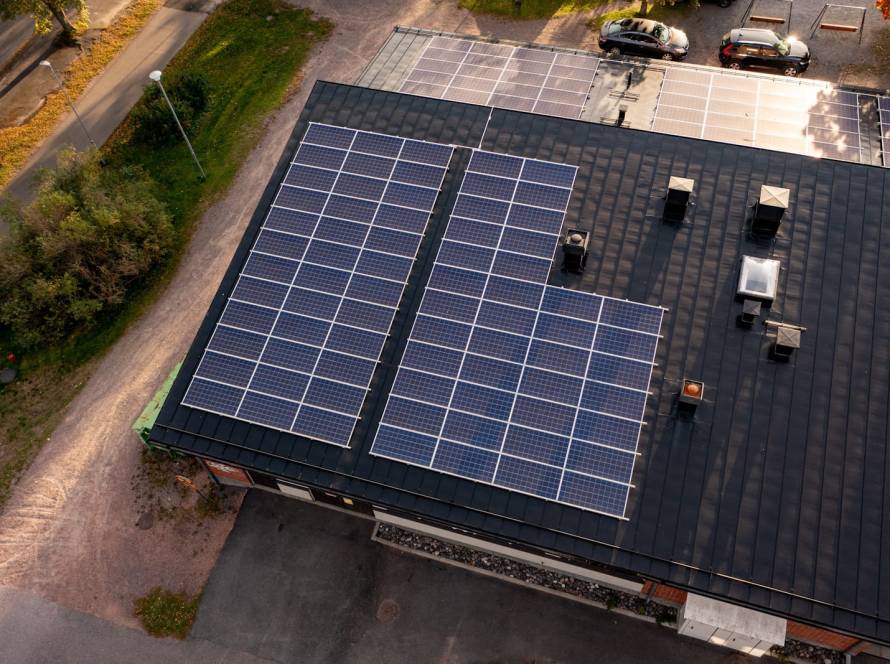
Solar panels can reduce the electricity a factory draws from the grid while they are generating. This can lower grid use when production lines, pumps, compressors, cooling equipment and other daytime loads are running. If the plant reaches its highest demand during those same hours, solar generation may also help reduce the recorded peak.
The overlap between generation and demand is essential. A factory’s highest demand may occur early in the morning, after sunset or during a period when solar output is low. Production schedules, changing weather and the way the site’s tariff measures demand all affect whether solar can reduce the peak. Solar can help, but panels alone do not guarantee a lower demand charge.
- Daytime Load Overlap: Solar is more likely to reduce grid demand when the plant’s high-use periods coincide with solar generation.
- Peak Timing: A peak outside daylight hours may receive little benefit from solar panels alone.
- Load Changes: Shifts in production or equipment use can affect whether solar generation aligns with the plant’s highest demand.
The plant can compare its interval consumption data with expected solar generation to see whether the system is likely to contribute during the periods that matter. This assessment should consider normal production schedules as well as recurring start-up periods or other short demand spikes.
If the highest peak occurs when solar output is low, the plant may need to consider other ways to manage it, such as rescheduling flexible processes or using battery storage. The appropriate approach depends on the facility’s operating needs and the tariff used to calculate its demand charges.
Case Study: Assessing Peak-Demand Charges At A Manufacturing Plant
A manufacturing plant runs multiple production lines, compressors, pumps and cooling equipment each day. Its electricity costs have become increasingly difficult to sustain, and the owner is concerned that the business cannot keep absorbing them. He wants to reduce costs without disrupting production or creating maintenance and reliability problems later.
He begins by reviewing the plant’s electricity bills and consumption records, then arranges a detailed assessment of its load profile, shift schedules, electrical infrastructure and available installation space. The owner wants to understand when the highest demand occurs, whether solar generation would coincide with it, and whether battery storage could manage any peaks that solar cannot cover. He also considers which equipment, if any, would need backup during an outage.
The assessment shows that solar could supply part of the plant’s daytime demand, but the highest recorded peak does not always align with strong solar generation. The owner therefore considers a design that combines solar with appropriately sized battery storage and controls, subject to detailed engineering and financial review. He chooses to proceed only after confirming how the system will be monitored, maintained and integrated without interrupting production. The final design is based on the plant’s operating data rather than a general savings estimate.
Which Commercial Solar Systems Are Best For Reducing Electricity Costs In Manufacturing Plants?
At Eversolar, we offer commercial solar systems for manufacturing plants, including grid-tied, hybrid and off-grid configurations. A grid-tied system can offset electricity use while the factory remains connected to the grid when solar generation is low. A hybrid system combines Solar PV with battery energy storage, allowing the plant to store and use energy to reduce grid reliance and peak demand charges, while supporting power during outages. An off-grid system can provide independent power for remote or energy-intensive facilities. We can deliver these solutions through full EPC project delivery and offer Power Purchase Agreements and Rent-to-Own Solar to help businesses adopt solar infrastructure while maintaining predictable energy costs.
For industrial sites, we configure grid-tied, hybrid, and off-grid or microgrid systems around the plant’s load profile, production schedule and expansion plans. Grid-tied solar can offset electricity costs while keeping the site connected to the utility grid. Hybrid systems combine Solar PV and battery storage to maximise self-consumption, store energy for peak periods and support critical production lines during grid instability or outages. Off-grid and microgrid systems can serve remote or grid-unstable sites, helping reduce diesel use and maintain operational reliability.
- Commercial Grid-Tied Systems: Offset consumption while retaining access to the grid when solar generation is low.
- Commercial Hybrid Systems: Combine Solar PV and battery storage to support self-consumption, peak-demand management and power during outages.
- Commercial Off-Grid Systems: Provide independent power for remote or energy-intensive facilities.
- Industrial Grid-Tied Systems: Support manufacturing plants, warehouses and distribution centres with solar generation while keeping them connected to the grid.
- Industrial Hybrid Systems: Store solar energy for peak periods and support facilities with variable energy demands or critical production lines.
- Industrial Off-Grid And Microgrid Systems: Combine solar, battery storage and microgrid technology for remote or grid-unstable sites.
- EPC And Financing: We provide project delivery from feasibility studies and funding structuring through installation, commissioning and grid synchronisation, with PPA and Rent-to-Own options.
We also provide after-sales support that includes remote performance monitoring, preventive maintenance, technical assistance and system optimisation. These services help businesses monitor how their systems perform and maintain them over time.
Each plant has different loads, production schedules and site conditions. We configure systems around those requirements so the selected solution can support the factory’s energy objectives and adapt to its expansion plans.
A Practical Way To Evaluate Solar For Your Plant
Before requesting proposals, gather recent electricity bills, interval data where available, operating schedules and details of major equipment. Note when production changes, when large machines start, and whether the facility operates after dark or across multiple shifts. This information helps an energy specialist distinguish routine consumption from short demand spikes.
Compare designs using the same site data and clearly stated assumptions. Ask how each option is expected to affect grid demand, what happens when solar output falls, which loads receive backup, and what maintenance the system requires. Peak-demand charges at a manufacturing plant depend on local tariff rules and actual operating patterns, so any forecast should explain its method and limitations.
Make A Site-Specific Decision
Solar can help a factory reduce grid use and, in some cases, lower its measured peak demand. Whether it can reduce peak-demand charges at a manufacturing plant depends on the tariff, the facility’s load profile and the system’s design. Battery storage may extend that benefit when peaks occur outside the hours of strong solar generation.
For a reliable decision, assess the plant’s demand data, production needs and site conditions together. If you are considering solar for your manufacturing facility, get in touch with Eversolar to discuss an assessment and a system designed around your operations.
FAQs
What Are Peak-Demand Charges At A Manufacturing Plant?
Peak-demand charges are fees based on the highest level of electrical power a facility draws during a defined interval in a billing period. They differ from energy charges, which reflect the total electricity used over time. A factory may therefore face a demand charge after a brief spike, even if that high level does not last all day. The calculation depends on the tariff and meter interval. Reviewing bills alongside interval consumption data can show when peaks occur, how long they last, and which equipment is operating. This helps managers identify ways to reduce grid demand during those costly periods.
Can Solar Panels Reduce A Factory’s Peak Demand?
Solar can reduce electricity drawn from the grid while panels are generating. If a factory’s highest demand occurs during sunny operating hours, solar may also lower its recorded peak. The benefit depends on the plant’s actual load profile, solar output, and local tariff rules. A peak that occurs before sunrise, after sunset, or when generation is low may receive little benefit from panels alone. Managers should compare interval consumption records with expected generation across the day. This reveals whether solar is likely to contribute during the periods used to calculate demand charges and helps avoid relying on broad savings estimates.
How Can Battery Storage Help With Peak Shaving?
Battery storage can charge from surplus solar generation and discharge when factory demand rises. This may reduce the power drawn from the grid during a short peak, a method known as peak shaving. The battery must have enough discharge power to meet the size of the spike, as well as enough stored energy for its duration. Its controls also need to respond at the right time. Battery performance depends on the plant’s load pattern, system design, and applicable tariff. A site assessment can establish whether storage is likely to reduce demand charges or whether other operational changes are also needed.
Can Solar And Batteries Keep A Factory Running During An Outage?
Solar panels alone generally do not provide backup power during a grid outage. A factory needs a system designed and configured to operate safely during an outage, with suitable equipment and protection. The business must also decide which loads need backup, since supporting every machine may require a different design from keeping only essential processes running. Battery storage can help supply selected loads, but backup capability depends on battery capacity, discharge power, and system configuration. Factories should ask how the proposed system handles grid interruptions, which equipment remains powered, and whether production can continue without unsafe interruptions. Confirm before commissioning.