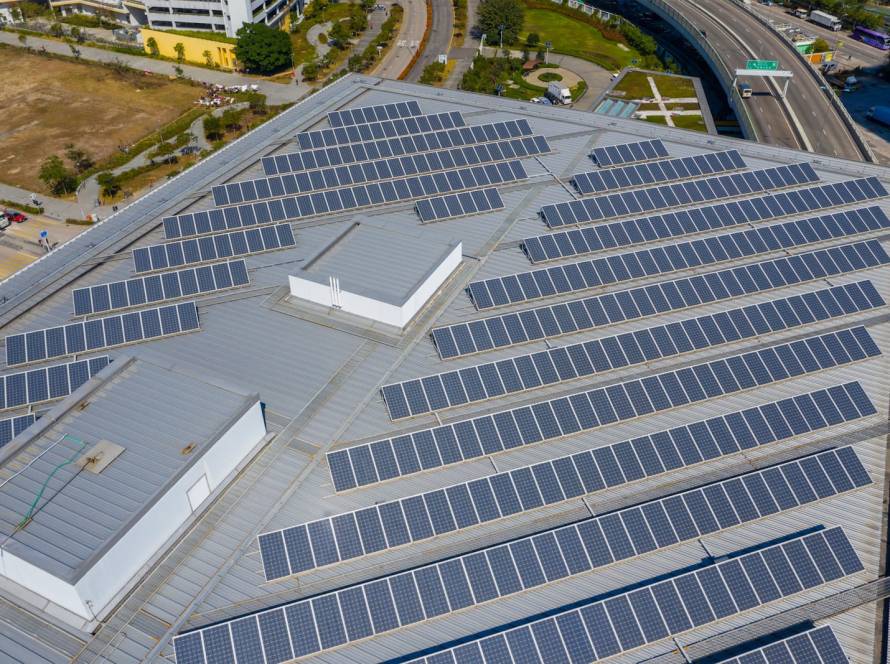
For packhouses and cold rooms, reliable electricity is directly linked to product quality, storage life and operational continuity. Solar and battery storage can help agricultural businesses reduce dependence on grid electricity while creating a more resilient energy supply for refrigeration, sorting, packing and other essential processes.
The opportunity is especially strong in South Africa, where many packhouses have substantial daytime electricity demand that overlaps well with solar generation. Cold rooms, however, may operate throughout the day and night. Combining Solar PV with Battery Energy Storage Systems (BESS) allows businesses to use more of their own solar generation while maintaining critical cooling loads when grid supply becomes unreliable.
Why Are Packhouses and Cold Rooms Good Candidates for Solar and Battery Storage?
Packhouses often have electricity-intensive operations running during daylight hours. Sorting lines, washing equipment, conveyors, lighting, ventilation, processing machinery and refrigeration can all contribute to a substantial daytime load. Because this demand overlaps with peak solar production, much of the electricity generated by Solar PV can potentially be consumed immediately on site.
Cold rooms add another important dimension because refrigeration demand continues beyond normal working hours. Compressors cycle throughout the day and night according to product temperature, door openings, defrost periods and ambient conditions. This makes cold-storage facilities strong candidates for systems that combine direct solar consumption with stored energy.
- Packhouses often have high daytime energy consumption.
- Refrigeration creates a relatively consistent electrical base load.
- Solar generation can supply operating equipment directly during daylight hours.
- Battery storage can extend the use of solar energy beyond sunset.
- BESS can support refrigeration during grid interruptions.
- Critical cold-room equipment can be prioritised during backup operation.
The value of solar and battery storage therefore comes from matching renewable generation to an energy-intensive operation that cannot easily tolerate downtime. A well-designed system can reduce grid purchases during ordinary operations while providing additional resilience when electricity supply is interrupted.
This is particularly important where spoilage represents a greater financial risk than the electricity bill itself. For businesses handling fruit, vegetables, dairy, meat or other temperature-sensitive goods, reliable cooling protects both inventory and the wider supply chain.
How Can Solar and Battery Storage Reduce Packhouse Energy Costs?
Solar generation can directly offset electricity that would otherwise be purchased from the grid. This is especially useful for packhouses because harvesting, sorting, processing and packing commonly take place during daylight hours. Industry providers working in South African agriculture report electricity-bill reductions of around 20% to 30% on some agricultural solar installations, although actual savings vary according to tariffs, system size and the facility’s consumption profile.
Battery storage can increase the financial value of the Solar PV system by storing energy that is not immediately required. This electricity can then be used later when solar production falls. Some agricultural solar providers report broader energy-cost reductions of approximately 30% to 50% for suitable projects, although these figures should be treated as project-specific commercial estimates rather than guaranteed outcomes.
BESS can also assist with peak shaving. Refrigeration compressors and processing machinery can cause sharp increases in demand, which may contribute to maximum-demand charges. By discharging during these peaks, batteries can reduce the facility’s demand from the grid. Industry estimates suggest that battery systems used specifically for peak-demand management can sometimes achieve standalone payback periods of around 4 to 6 years, depending on the tariff structure and operating conditions.
Why Does Backup Power Matter for Cold Rooms?
Electricity interruptions have a different impact on cold-storage facilities than on many conventional commercial properties. Refrigeration protects perishable products within strict temperature ranges, so prolonged power failures can place valuable stock at risk. Scientific research into agricultural cold chains has found that inadequate refrigeration and unreliable electricity can contribute to post-harvest losses exceeding 20% to 40% in some rural and lower-income regions.
Battery backup can help maintain refrigeration, monitoring equipment, alarms and control systems during outages. Instead of attempting to support every electrical load, facilities can identify the systems that are essential for maintaining product safety and operational continuity. This approach can reduce the required battery capacity while extending the period for which critical equipment remains operational.
Backup requirements should also reflect the thermal characteristics of the cold room itself. A well-insulated cold room does not immediately lose its temperature when refrigeration stops, but heat gradually enters through walls, doors and product movements. Battery backup therefore provides valuable time for refrigeration systems to maintain temperatures until grid supply returns or another generation source becomes available.
How Should a Solar and Battery Storage System Be Sized?
Sizing should begin with an accurate picture of how the facility uses electricity. Electricity bills provide a useful starting point, but interval data showing consumption throughout the day is far more valuable. Packhouses should identify operating hours, production peaks, refrigeration cycles and the amount of electricity consumed before, during and after normal working periods.
Cold-storage facilities need even more detailed analysis because compressor demand can vary considerably. Door openings, defrost cycles, incoming product temperature, ambient heat and seasonal production volumes all influence electricity consumption. A system designed around equipment nameplate ratings alone may therefore be oversized in some areas and inadequate in others.
- Measure average daily electricity consumption.
- Identify the facility’s maximum demand in kW.
- Analyse hourly or half-hourly load profiles where possible.
- Separate critical and non-critical electrical loads.
- Review refrigeration compressor cycling.
- Consider seasonal changes in packing and cold-storage activity.
- Decide how many hours of backup are genuinely required.
- Allow for planned business expansion.
It is also important to distinguish between power and energy. The amount of electrical power required at a particular moment, usually measured in kW, influences inverter sizing. The amount of stored electricity required over time, measured in kWh, determines how much battery capacity is needed.
For example, a facility that needs 200 kW for one hour has a very different storage requirement from one that must maintain a 200 kW critical load for six hours. Good system sizing therefore combines actual demand measurements, backup priorities and operational risk rather than relying on a simple percentage of the site’s total electricity consumption.
Should Every Packhouse Install Battery Storage?
Not every site requires batteries from the outset. A packhouse with dependable grid supply and a strong daytime load may achieve substantial savings from a grid-tied Solar PV system alone. Agricultural solar installations of around 270 kW have been used to support packing and cold-storage operations, demonstrating that sizable daytime loads can be matched effectively with direct solar generation.
The main limitation is that a conventional grid-tied system generally does not provide backup when the grid fails. This means a business may save electricity during normal operation while remaining exposed to outages. Where refrigeration, processing or product safety depends on continuous power, this limitation can become a major operational concern.
Battery storage becomes more attractive when outages are frequent, energy consumption remains high after sunset or peak-demand charges are significant. Real agricultural projects have combined systems of more than 300 kW of Solar PV with several hundred kilowatts of battery capacity to support farm operations during electricity interruptions. The right decision depends on the site’s risk profile rather than on battery storage being an automatic requirement.
Grid-Tied, Hybrid or Off-Grid Solar and Battery Storage?
There is no single system architecture that suits every agricultural facility. Grid reliability, location, operating hours, critical loads and electricity costs all influence the most appropriate design. Packhouses close to strong grid infrastructure may prioritise energy savings, while remote cold rooms may need much greater energy independence.
The three main configurations differ primarily in how they interact with the grid and stored energy. Understanding these differences is essential before comparing system sizes or investment costs.
- Grid-tied systems: Use solar during the day while remaining connected to the grid. They are often suited to sites focused mainly on reducing grid purchases.
- Hybrid systems: Combine Solar PV, BESS and grid electricity. They can support backup, peak shaving and greater solar self-consumption.
- Off-grid systems: Operate independently of the national electricity network and normally require greater generation and storage capacity.
- Microgrids: Can combine solar, batteries and other power sources to support larger remote or grid-constrained facilities.
Hybrid systems are particularly relevant to packhouses and cold rooms because they balance cost reduction with energy resilience. Solar can supply daytime demand while batteries store excess energy, manage peaks and support selected loads when grid electricity is unavailable.
Off-grid systems require more careful planning because the site cannot rely on the grid as a fallback. Generation and storage must be sized to cope with poor weather, overnight refrigeration and seasonal changes in consumption. This generally makes load profiling and energy management even more important.
Can Solar Help Reduce Post-Harvest Losses?
Access to refrigeration has a direct influence on the shelf life of perishable products. Research published in 2026 found that unreliable electricity and inadequate cooling infrastructure can contribute to post-harvest losses of more than 20% to 40% for certain perishables in some regions. Improving access to dependable cold storage can therefore affect both energy use and food-loss reduction.
Solar-powered cold rooms can move refrigeration closer to the point of production. This is particularly valuable in remote agricultural areas where produce may otherwise spend hours travelling before cooling begins. Containerised cold rooms offer another option by creating modular refrigeration units that can be installed near farms or collection points.
Better cooling can also give agricultural businesses greater flexibility over when products are transported or sold. Instead of being forced to move produce immediately after harvesting, growers may be able to hold products under controlled conditions for longer. This can support product quality, reduce waste and improve the efficiency of the broader agricultural cold chain.
What Role Can Thermal Energy Storage Play?
Battery storage is not the only method available for shifting solar energy into later periods. Cold Thermal Energy Storage can use surplus electricity to freeze ice, chill water or charge phase-change materials. Instead of storing electricity chemically, the system stores cooling that can be used later.
Research into agricultural cooling reports that ice-based thermal storage can reach energy densities of around 85 kWh/m³. Ice storage can be especially useful where rapid cooling is needed, while chilled-water storage can provide a simpler option for larger facilities where more physical storage space is available.
Phase-change materials are another option. Depending on the material and system design, research has reported useful lives ranging from approximately 2,000 to 20,000 thermal cycles. For certain applications, combining electrical battery storage with thermal storage may reduce the amount of electrochemical battery capacity required while still supporting refrigeration outside peak solar hours.
How Does Solar and Battery Storage Support Seasonal Agricultural Operations?
Agricultural electricity consumption is rarely identical throughout the year. Irrigation, harvesting, washing, packing, processing and refrigeration may all increase or decrease according to crop cycles. A packhouse may operate intensively for several months and then experience much lower demand during the rest of the year.
This seasonal behaviour matters when designing solar and battery storage. A system sized only around annual electricity totals may not reflect the periods when the facility experiences its highest demand. Historical electricity data should therefore be compared with production schedules and harvesting calendars.
- Identify the months with the highest packing volumes.
- Compare electricity demand between harvest and off-season periods.
- Assess how refrigeration requirements change with incoming product volumes.
- Consider seasonal irrigation or processing loads.
- Review whether peak operating periods coincide with strong solar production.
- Size batteries according to critical seasonal demand rather than annual averages.
- Include future changes in crop volumes or packhouse capacity.
Solar generation itself also changes seasonally because daylight hours and weather conditions vary. System modelling should therefore compare expected monthly generation with monthly consumption rather than assuming constant production throughout the year.
Batteries can provide flexibility by shifting energy between different periods of the day, but they cannot solve a fundamentally mismatched system design. A good agricultural energy strategy therefore considers solar resources, storage capacity and the business’s seasonal production cycle together.
How Can Businesses Get More Value From Battery Storage?
A commercial battery should do more than wait for the next outage. Modern BESS installations can be configured to charge when solar production is high and discharge when electricity demand or grid tariffs make stored energy more valuable. This can increase the proportion of solar electricity consumed on site.
Peak-demand management is another important application. Refrigeration compressors, pumps and processing equipment can cause short periods of high electricity demand. Industry estimates suggest BESS used for peak shaving can sometimes achieve standalone payback periods of approximately 4 to 6 years, depending on demand charges and how frequently the battery is cycled.
Monitoring is essential because battery performance depends heavily on how the system is operated. Tracking solar generation, state of charge, grid consumption and peak demand allows operators to see whether the battery is delivering the expected benefits. It also helps identify declining performance or equipment faults before they significantly affect savings or backup reliability.
What Eversolar Offers You
At Eversolar, we provide full-service renewable-energy solutions for agricultural, commercial and industrial operations across Southern Africa. We design our systems around the way each site actually uses electricity rather than offering a standard package.
For packhouses and cold rooms, we can assess refrigeration demand, operating hours, seasonal changes, peak loads and backup priorities before engineering a solution. Our capabilities include grid-tied Solar PV, hybrid systems, off-grid solutions, microgrids and Battery Energy Storage Systems.
- Solar PV system design and installation.
- Battery Energy Storage Systems.
- Grid-tied, hybrid and off-grid solutions.
- Detailed feasibility studies and load profiling.
- Full engineering, procurement and construction services.
- System commissioning and handover.
- Remote monitoring and ongoing optimisation.
- Preventative and corrective technical maintenance.
- System upgrades and battery integration.
- Flexible CAPEX, Power Purchase Agreement and Rent-To-Own financing structures.
We manage the full EPC process, from feasibility and engineering through procurement, construction and commissioning. This single-project approach helps ensure that generation, storage and existing electrical infrastructure are designed to work together effectively.
Our involvement can continue long after installation. We provide monitoring, preventative maintenance, corrective maintenance, system optimisation and upgrades to help protect long-term performance. We also offer flexible financing options so businesses can choose a structure that matches their capital position and energy objectives.
What Should You Assess Before Investing?
The first step should be understanding the site’s actual electricity behaviour. Historical bills, interval-meter data and operating schedules can reveal how much electricity is consumed, when demand peaks and whether solar generation would be used directly. Businesses should also identify how much refrigeration needs to remain operational during an outage.
The physical site matters as well. Roof loading, shading, orientation, available ground space and existing electrical infrastructure can all influence system design. Commercial Solar PV projects can range from a few hundred kilowatts to multi-megawatt installations, so available space and connection capacity need to match the intended scale.
Businesses should also consider the financial objective of the project. Some agricultural installations have reported payback periods of roughly 3 to 4 years, while battery-based peak-shaving projects may fall closer to 4 to 6 years. These figures vary significantly by tariff, energy usage, financing structure and system design, which is why site-specific financial modelling is essential before investment.
Find Your Perfect Solar Solution
For agricultural businesses that depend on refrigeration and packing infrastructure, solar and battery storage can help address both energy costs and operational resilience. Solar can reduce daytime electricity purchases, while battery storage can extend the value of that generation into later periods, manage demand peaks and support critical equipment during electricity interruptions.
At Eversolar, we design solar and battery storage solutions around the real operating requirements of packhouses, cold rooms and other agricultural facilities. From load analysis and full EPC delivery to financing, monitoring and ongoing technical maintenance, we support the complete project lifecycle. Get in touch with us to discuss how we can build an energy solution that supports your operations, protects critical loads and delivers long-term value.
FAQs About Solar and Battery Storage
Is Solar and Battery Storage Suitable for Cold Rooms?
Solar and battery storage can work very well for cold rooms because refrigeration creates a steady electricity demand throughout the day and night. Solar PV can supply part of this demand during daylight hours, while batteries can store excess energy for use later or during grid outages. The system should be designed around the cold room’s actual load profile, including compressor cycles, defrost periods, door openings and temperature requirements. Critical loads such as refrigeration controls, monitoring systems and alarms can also be prioritised, helping the battery support essential operations without unnecessarily increasing system size or overall project costs and resilience.
How Do You Size Solar for an Agricultural Packhouse?
The right solar system size depends on how much electricity the packhouse uses, when demand occurs and how seasonal the operation is. Designers should review historical electricity bills, interval data, operating hours, refrigeration loads and maximum demand. Peak harvest periods are especially important because packhouses may use significantly more energy when sorting, washing, cooling and processing volumes increase. Solar capacity should be matched to daytime consumption, while battery capacity should reflect backup needs, evening demand and peak shaving goals. Future expansion should also be considered so the system can support additional refrigeration, processing equipment or higher production volumes later reliably.
Does a Packhouse Need Battery Storage With Solar?
A packhouse does not always need battery storage. If the grid is reliable and most electricity is used during daylight hours, a grid-tied solar system may already deliver strong savings by reducing energy purchased from the grid. Batteries become more valuable when the site needs backup power, operates after sunset or faces high maximum-demand charges. Cold rooms often strengthen the case for storage because refrigeration cannot simply stop during an outage. A battery can keep critical cooling equipment running, increase solar self-consumption and reduce demand peaks. The decision should be based on operational risk, electricity tariffs and load data carefully.
Can Solar and Battery Storage Keep Cold Rooms Running During Outages?
During a power outage, a hybrid solar and battery system can keep selected cold-room loads operating if the system has been designed for backup. The battery can supply refrigeration compressors, temperature controls, alarms, monitoring equipment and other critical circuits until grid power returns or another power source takes over. Backup duration depends on battery capacity, the size of the critical load and how frequently refrigeration equipment cycles. It is often more practical to prioritise essential loads rather than the entire facility. This can extend battery runtime, reduce required storage capacity and help protect temperature-sensitive stock during periods of unreliable supply.
Are Hybrid Solar Systems Good for Agricultural Packhouses?
Hybrid solar systems are often a strong option for agricultural packhouses because they combine Solar PV, battery storage and a grid connection. Solar can reduce daytime electricity purchases, while batteries can store excess generation, support evening loads and provide backup during outages. They can also assist with peak shaving when refrigeration compressors, pumps or processing equipment create short periods of high demand. This flexibility is useful for seasonal agricultural operations, where energy use can change substantially during harvesting and packing periods. The best system still depends on grid reliability, site location, critical loads, tariff structure and actual consumption profile accurately.