For South African businesses operating in manufacturing, mining, warehousing, logistics and processing industries, energy reliability has become a critical component of long-term operational success. Rising electricity costs, growing demand requirements and the need for greater resilience have encouraged many organisations to invest in commercial solar solutions that can support large-scale energy consumption while improving cost predictability. Rather than serving as a simple alternative power source, modern solar infrastructure has evolved into a strategic business asset that helps organisations strengthen energy security, improve efficiency and support future growth objectives.
Facilities with high energy demand require systems that can do far more than generate electricity during daylight hours. They need integrated solutions capable of supporting continuous operations, managing peak demand, optimising energy usage and adapting to changing business requirements. The most effective systems combine multiple technologies and design features that work together to deliver reliable performance, long-term value and greater operational control.
1. High-Capacity Commercial Solar Panel Arrays
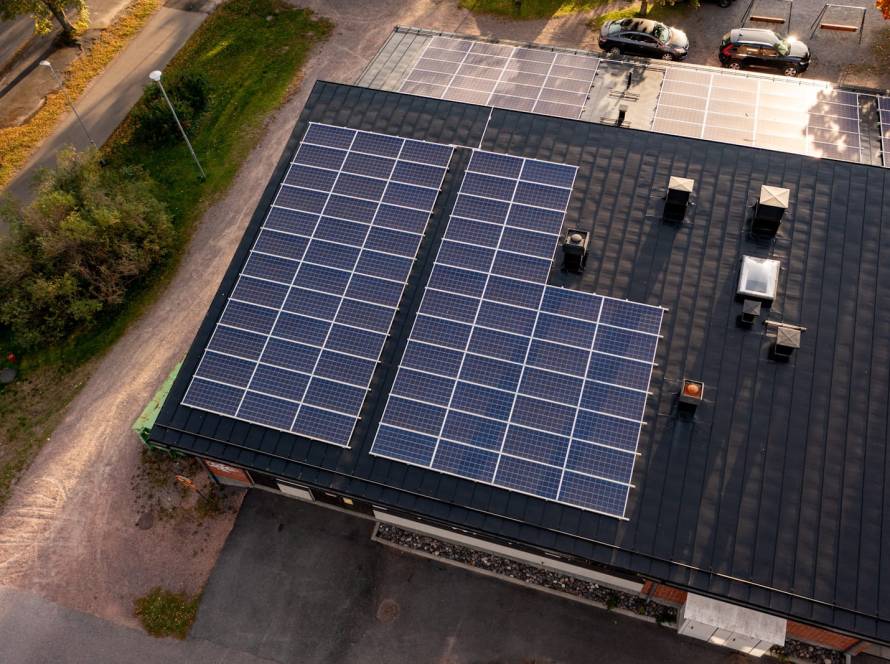
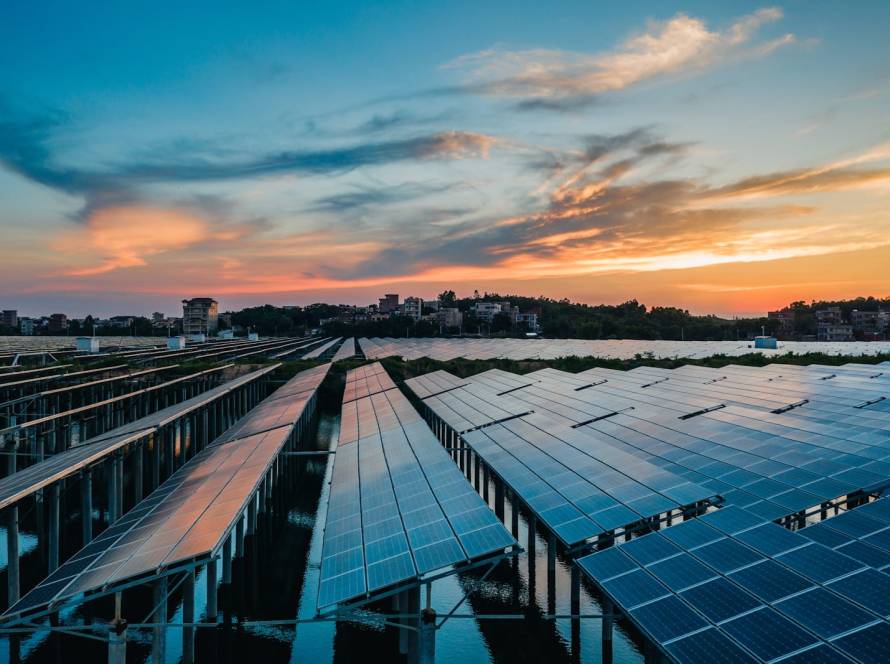
High-energy facilities need solar arrays designed around real load requirements. A factory running motors, compressors, conveyors, refrigeration or processing equipment will need a much larger system than a standard office building. This often means hundreds or thousands of panels installed across rooftops, ground-mounted areas, carports or unused land. In South Africa, strong solar resources make this especially practical for businesses with large daytime electricity demand. Proper system sizing is critical because it determines how effectively solar generation aligns with operational consumption patterns throughout the day.
The design phase is particularly important because industrial facilities often have complex energy usage profiles that fluctuate throughout operating hours. By carefully analysing consumption patterns, available installation space and long-term production requirements, businesses can ensure that solar generation delivers maximum value. A system that is correctly sized and strategically positioned can significantly improve energy efficiency while supporting broader operational objectives.
Key characteristics of high-capacity solar panel arrays include:
- Hundreds or thousands of solar panels designed for large-scale energy generation
- Rooftop, ground-mounted and carport installation options
- Customised system sizing based on operational energy demand
- Reduced dependence on grid electricity during peak production periods
- Improved long-term energy cost predictability
- Ability to support future expansion requirements
A well-designed commercial solar array can reduce grid dependence during operating hours, stabilise energy costs and improve long-term budgeting. For mines, logistics hubs and manufacturing plants, the value lies in matching generation capacity to actual consumption patterns so that solar energy is used where it delivers the greatest operational benefit. Large-scale installations also provide a degree of protection against future electricity price increases, allowing businesses to forecast energy expenditure with greater confidence while improving overall operational efficiency.
When integrated into a broader energy strategy, large-scale solar generation becomes more than just a source of electricity. It becomes an asset that supports resilience, improves financial planning and strengthens operational stability. For businesses operating in highly competitive sectors, the ability to control a significant portion of energy expenditure can provide meaningful long-term advantages.
2. Advanced Energy Storage Systems
Battery storage helps businesses use solar energy beyond the hours when panels are actively generating. Large battery banks store excess daytime production and release it when electricity demand rises, when tariffs are higher, or when grid supply becomes unstable. This is especially valuable for facilities that cannot afford interrupted production, such as cold storage, food processing, manufacturing and mining operations. By storing energy locally, businesses gain greater control over how and when electricity is used, reducing vulnerability to external disruptions.
When paired with commercial solar, battery storage also supports peak shaving and load shifting. Instead of drawing maximum power from the grid during expensive demand periods, a facility can discharge stored energy to reduce its grid profile. This makes storage both a reliability feature and a financial optimisation tool. In many industrial environments, battery systems can also support critical loads during outages, helping protect equipment, preserve production schedules and minimise the costly downtime associated with unexpected power interruptions.
3. Smart Monitoring and Energy Management
Industrial energy decisions should be based on accurate data. Smart monitoring systems track solar production, facility consumption, battery performance and system health in real time. This gives managers a clear view of when energy is being generated, where it is being used and whether the system is performing as expected. Access to detailed performance information enables businesses to move beyond reactive energy management and adopt a more strategic approach to operational efficiency.
Modern monitoring platforms have transformed the way businesses manage energy infrastructure. Rather than waiting for problems to emerge, facility managers can proactively identify inefficiencies, track performance trends and make informed decisions based on real operational data. This visibility is especially valuable for facilities with multiple departments, production areas or energy-intensive processes.
Common capabilities within advanced monitoring and energy management systems include:
- Real-time solar production tracking
- Energy consumption analysis across facility operations
- Battery storage performance monitoring
- Automated performance reporting and alerts
- Predictive maintenance insights
- Historical trend analysis for strategic planning
In a commercial solar installation, monitoring also helps identify inefficiencies before they become expensive. If a facility experiences recurring demand spikes, abnormal consumption patterns or underperforming equipment, energy data can guide operational improvements. For large South African sites with complex loads, this visibility can be just as valuable as the generation equipment itself. The ability to analyse trends over time also supports better maintenance planning, improved resource allocation and more informed decision-making regarding future energy investments.
As businesses increasingly focus on efficiency and operational optimisation, data-driven energy management continues to grow in importance. The ability to monitor, analyse and improve energy performance creates opportunities for continuous improvement while helping organisations maximise the value of their energy infrastructure over the long term.
4. Scalable and Customisable Commercial Solar System Design
High-demand industries rarely stand still. A warehouse may add automation, a manufacturer may expand production lines, or a mining operation may increase processing capacity. Solar infrastructure should be designed with this growth in mind so that capacity can be expanded without unnecessary redesign or disruption. Businesses that invest in energy infrastructure today need confidence that their systems will continue to support future operational requirements.
A strong commercial solar design starts with a detailed assessment of site layout, load profile, roof condition, available land, grid connection and future energy plans. This allows the system to be customised around the business rather than forced into a generic template. For South African companies investing for the long term, scalability is one of the clearest signs of a well-planned system. A flexible design approach helps ensure that future expansion can be achieved efficiently while preserving the value of the original investment.
5. Grid Integration and Demand Management
Most high-energy facilities still need a connection to the grid, which means integration must be carefully planned. South African businesses also need to consider municipal requirements, embedded generation rules, grid codes, registration obligations and approved connection processes where applicable. These requirements help ensure that systems are safe, compliant and compatible with the local electricity network. A properly integrated system allows businesses to benefit from solar generation while maintaining access to grid electricity when additional power is required.
Effective grid integration is not simply about maintaining a connection to the utility network. It is about ensuring that solar generation, battery storage and facility demand work together efficiently. Businesses that understand how energy flows through their operations can make more informed decisions about when to consume, store or supplement power, creating greater flexibility and control over energy expenditure.
Key demand management strategies include:
- Peak shaving to reduce demand-related electricity charges
- Load shifting to optimise energy consumption patterns
- Controlled energy export where regulations allow
- Integration with battery storage systems
- Reduced reliance on expensive peak-rate electricity
- Improved operational flexibility during periods of high demand
With effective grid integration, commercial solar can help manage demand charges, reduce peak grid reliance and support more predictable electricity costs. Strategies such as peak shaving, load shifting and controlled energy export can improve the financial performance of the system, provided they are designed around the facility’s tariff structure and regulatory environment. For energy-intensive industries, these capabilities create opportunities to optimise electricity usage throughout the day, improving both operational efficiency and long-term cost control.
Beyond financial savings, effective demand management can also improve operational resilience. Businesses gain greater visibility into how energy is consumed and can respond more effectively to changing operating conditions. This creates a stronger foundation for sustainable growth while supporting better long-term energy planning.
6. Durability and Industrial-Grade Reliability in Commercial Solar Systems
Industrial environments place heavy demands on energy infrastructure. Solar equipment may be exposed to dust, wind, heat, moisture, vibration, corrosive conditions or large temperature changes. This is why high-demand industries need robust mounting structures, quality electrical components, protected battery enclosures and system designs that allow for safe maintenance access. The ability to withstand challenging environmental conditions is often just as important as energy production capacity, particularly in sectors where reliability directly affects productivity.
Facilities operating in harsh environments cannot afford energy infrastructure that is vulnerable to premature wear or performance degradation. System reliability influences everything from maintenance schedules to production continuity, making component quality and engineering standards critical considerations during project planning and procurement.
Important durability and reliability features include:
- Corrosion-resistant mounting structures
- Weather-resistant electrical components
- High-performance solar panels designed for demanding environments
- Protected battery storage enclosures
- Robust engineering and structural support systems
- Designs that allow safe and efficient maintenance access
Durable commercial solar systems are built for long service life and consistent performance. For businesses where downtime affects production, dispatch, storage or safety, reliability should be treated as a core design requirement. A cheaper system that fails under industrial conditions can quickly become more expensive than a properly engineered solution. By investing in high-quality infrastructure from the outset, organisations can reduce maintenance requirements, improve system availability and maximise the long-term return on their energy investment.
Long-term performance is one of the most important measures of a successful solar project. When systems are designed for reliability from the beginning, businesses benefit from consistent energy generation, lower maintenance costs and greater confidence that their infrastructure will continue supporting operations for many years to come.
Best Commercial Solar Systems Designed for High Energy Demand Industries in South Africa
For organisations seeking some of the best solutions available, Eversolar delivers commercial solar systems specifically designed for the demanding requirements of South Africa’s industrial and commercial sectors. We provide fully integrated renewable energy solutions that combine Solar PV, Battery Energy Storage Systems (BESS), and complete EPC project delivery. Our systems are tailored to each client’s operational and financial objectives, ensuring the right balance between energy savings, reliability and long-term value. Whether a business requires a grid-tied system to reduce electricity costs, a hybrid solution that combines solar generation with battery storage, or a fully off-grid installation for remote operations, we design and implement solutions that align with the realities of high-energy-demand environments. This allows businesses to select an energy strategy that reflects their operational priorities while maintaining flexibility for future growth.
We support offices, factories, warehouses, retail facilities, processing plants and other energy-intensive operations through a comprehensive approach that extends beyond installation. Our flexible financing options, including Power Purchase Agreements (PPA) and Rent-to-Own Solar, help businesses adopt advanced energy infrastructure while maintaining predictable costs and preserving capital. Through precision engineering, premium components, comprehensive project management, remote performance monitoring, preventive maintenance and ongoing system optimisation, we help organisations reduce reliance on the grid, improve operational resilience, lower energy expenditure and scale capacity as their operations grow. By integrating solar generation and BESS into a unified energy strategy, we enable businesses to maximise self-consumption, improve return on investment and strengthen long-term sustainability performance. Our long-term partnership approach also ensures ongoing support, helping clients continuously optimise system performance and adapt their energy strategy as operational requirements evolve.
Building a Stronger Energy Future with Eversolar
For South African businesses, energy planning is no longer only about reducing a monthly bill. It is about protecting operations, improving resilience and building infrastructure that can support growth. The best results come from systems designed around real usage patterns, site conditions, compliance requirements and long-term business goals. As energy costs continue to influence business performance, investing in a well-designed commercial solar solution can provide both immediate and long-term advantages that extend far beyond electricity savings alone.
At Eversolar, we help businesses plan and implement commercial solar solutions built for demanding environments. Our team can assess your facility, identify the right system structure and guide you towards a solution that supports lower energy costs, stronger reliability and future-ready operations. From initial planning and design through to installation, optimisation and ongoing support, we focus on delivering solutions that create measurable value for our clients. Contact us to discuss how we can help power your next stage of growth.
FAQs
What is the best commercial solar system for high energy demand industries?
The best commercial solar system for a high energy demand industry depends on the facility’s energy profile, operating hours, reliability requirements and future growth plans. Manufacturing plants, mining operations, warehouses and processing facilities often require more than just solar panels. They typically benefit from a combination of Solar PV, battery energy storage, intelligent monitoring and advanced demand management capabilities. A properly designed system should align with the facility’s consumption patterns while supporting operational continuity. The most effective solution is one that balances energy savings, resilience, scalability and return on investment while meeting the unique requirements of the business.
How much can high energy demand industries save with commercial solar?
Savings vary depending on electricity consumption, tariff structures, solar system size and the amount of solar energy used on-site. High energy demand industries often experience significant reductions in grid electricity consumption because large portions of their daytime energy needs can be supplied by solar generation. Additional savings may be achieved through battery storage, peak shaving and demand management strategies that reduce costly demand charges. Beyond direct energy savings, businesses can benefit from greater budget certainty, reduced exposure to future tariff increases and improved operational efficiency. A professional energy assessment is typically required to estimate potential savings accurately.
Are commercial solar systems suitable for factories, warehouses and mining operations?
Commercial solar systems are highly suitable for factories, warehouses, mining operations, logistics facilities and other energy-intensive environments. These businesses often have large daytime electricity demands that align well with solar generation patterns. Large roof spaces, available land and predictable operating schedules can further improve the effectiveness of solar installations. Battery storage can also be incorporated to support critical loads, reduce peak demand and improve resilience. Because every facility has unique requirements, systems are typically customised based on energy usage, operational objectives, site conditions and future expansion plans to maximise long-term value.