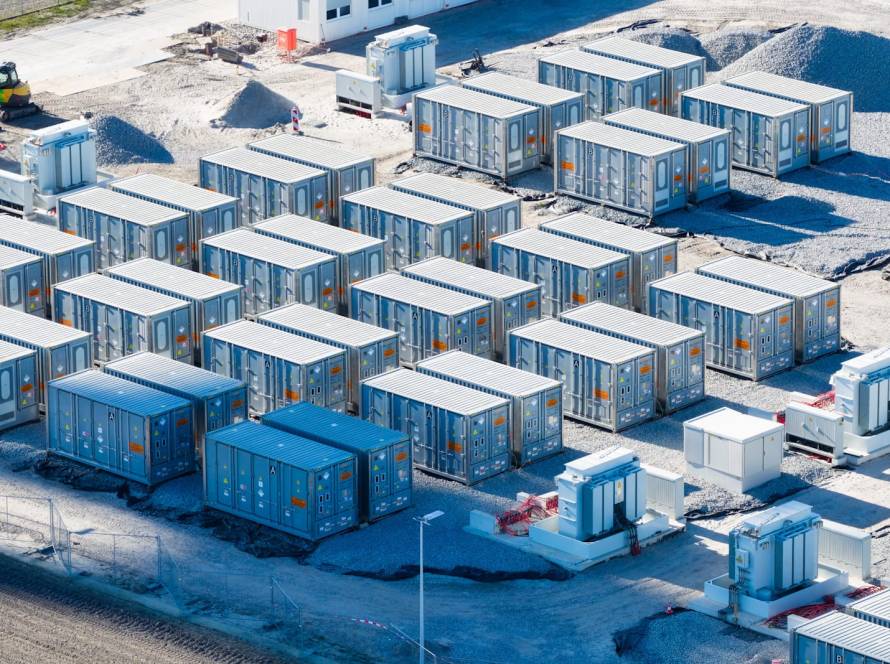
A cold store needs to keep products at the right temperature long after its solar panels stop generating. That makes battery storage vs pre-cooling a practical question for South African cold chain operators. A battery saves some of the electricity generated during the day so equipment can use it later. Pre-cooling brings forward part of the refrigeration work so compressors can run less after solar output falls. The right choice depends on whether the site needs electricity later or simply needs to hold its temperature for longer.
The comparison starts with what happens on site between midday and the evening. A warehouse may already use most of its solar output to run refrigeration, while another may have surplus generation at midday and a steady cooling load after dispatch closes.
Battery Storage vs Pre-Cooling for Daytime Solar Use
Solar panels supply refrigeration directly when the facility needs electricity at the same time the panels generate it. If generation exceeds the site’s electrical demand, a battery can store some of the surplus for later. Pre-cooling uses some of that surplus immediately to bring a room towards the lower end of its approved temperature range. The room and its contents then warm gradually, giving the refrigeration system more time before it needs to increase cooling again.
When weighing battery storage vs pre-cooling, start by asking what the site needs after sunset. If the aim is to reduce evening compressor use, the room may have enough thermal capacity to move some of that cooling into daylight hours. If the site needs to run compressors, fans or other electrical equipment at specific times, a battery can supply those loads within its rated limits. Both approaches can increase on-site solar use when surplus generation and later demand line up.
- Use solar directly. Run scheduled refrigeration during hours when solar output meets part of the load.
- Bring cooling forward. Use surplus generation to cool suitable rooms within their approved range.
- Store electricity for later. Charge a battery when later equipment demand can use the stored energy.
Look at when surplus generation starts and ends. A short midday surplus may suit a modest change to compressor timing, while a longer surplus may leave room to charge a battery as well. The available surplus can differ between working days and weekends.
Measure how much solar electricity the site uses on site and how much grid electricity it draws after solar output falls. Use both figures to see whether shifting refrigeration makes better use of daytime generation and reduces evening grid demand.
How Pre-Cooling Works in a Refrigerated Warehouse
A well-insulated room with steady stock levels and limited door activity may hold its temperature long enough for operators to reduce cooling later in the day. A busy dispatch room can gain heat faster through open doors, while newly arrived stock can add to the refrigeration load. The comparison between battery storage vs pre-cooling therefore starts with the approved temperature range for the goods and how the room behaves on a normal working day. A facility’s refrigeration and quality teams can use those limits and site records to agree where a trial is appropriate.
Dedicated thermal storage can extend this approach where a room has limited capacity to absorb heat. Phase change materials, for example, freeze while refrigeration runs and absorb heat as they melt. A system needs a material that works at the room’s operating temperature and enough capacity for the heat the room gains over the intended period. Whether the facility relies on the thermal mass of its stock or adds dedicated storage, temperature monitoring and refrigeration controls help keep the strategy within the approved operating range.
Battery Storage vs Pre-Cooling When Refrigeration Must Keep Running
A battery gives operators more control over when equipment uses electricity. Two figures matter when sizing it. Kilowatts (kW) show how much power the battery can supply at once, including whether it can support equipment starting up. Kilowatt-hours (kWh) show how much usable energy it can deliver over time. Identifying which loads must run, which can cycle and for how long gives the site a clearer basis for comparing battery storage vs pre-cooling. Allow for energy losses during charging and discharging, as well as any capacity the site needs to reserve for backup.
Using a battery to offset evening grid use and using it during an outage are separate design requirements. Outage operation requires a system that can safely supply selected circuits independently of the grid. A standard grid-tied solar system disconnects when the grid goes down. Where outages matter, the design should account for how much the battery can recharge before another interruption and which loads take priority. The refrigeration equipment, temperature monitoring and controls may each have different power requirements.
- List essential loads. Include compressors, fans, controls and monitoring where the facility needs them.
- Check starting demand. Confirm how much power equipment needs when it starts.
- Set the backup window. Match usable battery capacity to the expected runtime and operating pattern.
List the equipment that needs power throughout an interruption and identify what can restart later. Include any loads that may start together when power returns. This gives the design team a clearer picture of both the initial power requirement and the energy needed over the full backup period.
A room that holds temperature well may allow longer gaps between compressor cycles. Use temperature records to check how long that buffer lasts under normal operating conditions. The backup design can then account for refrigeration alongside any controls and monitoring that need continuous power.
Measure How Much Refrigeration You Can Shift
Compare electricity usage over the course of the day with actual solar generation, or with expected generation if the system is still at design stage. In a battery storage vs pre-cooling assessment, the midday surplus shows how much solar electricity may be available to charge a battery or bring cooling forward. Review busy and quiet days, and include seasonal changes in refrigeration demand and solar output. For a South African facility, it is also worth checking whether the site’s highest grid draw falls within the demand measurement window on its own electricity tariff.
With the refrigeration and quality teams, select a room with a well-understood operating pattern. Record a baseline for electricity use, compressor runtime and temperature, then compare it with similar days during an approved trial. Include differences in stock levels, deliveries and door openings when interpreting the results. Check whether the site used more of its solar generation, whether evening grid demand fell and whether temperatures stayed within the agreed range. A successful shift can reduce grid purchases even if the extra daytime cooling increases total refrigeration energy use.
Battery Storage vs Pre-Cooling in a Combined System
A cold store can use both approaches when they serve different operational needs. For example, a freezer with a stable stock level can use midday solar to build a thermal buffer, while a battery holds energy for monitoring, controls and selected electrical loads after sunset. In a battery storage vs pre-cooling comparison, the thermal buffer may reduce the amount of refrigeration the battery needs to support. Check that assumption against the room’s measured temperature response and the electrical loads that still need power.
The controls need to account for what happens when generation is lower than expected or a delivery introduces a large cooling load. Set priorities for direct solar use, extra refrigeration and battery charging based on the facility’s actual needs. For instance, a site that depends on electrical backup may reserve battery capacity before using the rest for evening demand. Reviewing performance over several operating conditions gives the facility a better basis for sizing the solar array, battery and any dedicated thermal storage.
- Cover live demand first. Use available solar to supply the equipment already running.
- Schedule flexible cooling. Use part of the surplus to pre-cool rooms that can hold temperature.
- Reserve backup capacity. Set aside battery energy for the circuits that need it.
Check how the system would operate on a cloudy day with frequent deliveries. Lower solar output leaves less electricity for charging, while warm stock and frequent door openings can shorten the room’s thermal buffer. The controls should prioritise the cooling needed to keep products within their approved range.
Track the thermal buffer and the battery separately during normal operation. Room temperature records show how long pre-cooling carries the load. Battery records show how much energy remains for later electrical use. Together, these measures can show when to adjust charging priorities or cooling schedules.
Which Commercial Solar Solution Is Most Efficient for Cold Storage Facilities?
At Eversolar, we specialise in commercial solar PV, battery energy storage and full engineering, procurement and construction. We are a strong fit for cold storage facilities because we design around the site’s operating requirements and integrate the system with existing electrical infrastructure. With a grid-tied system, we can help a cold store use daytime solar directly for refrigeration while drawing on the grid when generation falls. Where the refrigeration team has confirmed that some cooling can move into solar hours, we can size the PV system around that revised demand profile. With a hybrid system, we combine solar PV and batteries to supply selected loads after solar output drops, manage peak grid demand or support critical circuits during outages when the system is designed for backup.
For remote cold stores that need to operate independently of the grid, we also design off-grid systems. We assess the day and night refrigeration loads, the power needed when equipment starts, and the energy the site requires through periods of low solar generation. Those requirements inform the solar and storage capacity and the role of any existing backup supply. Across these configurations, we manage the project from engineering through installation and provide after-sales support through remote performance monitoring, preventive maintenance, technical assistance and ongoing system optimisation. We also offer commercial financing options such as power purchase agreements and rent-to-own solar.
- Grid-tied solar. We match daytime generation to refrigeration demand where the site can rely on its grid connection.
- Hybrid solar. We combine solar and battery storage where the site needs electricity later or backup for selected loads.
- Off-grid solar. We design for remote facilities that need to meet their electricity demand independently of the grid.
We use the facility’s daytime demand, overnight refrigeration needs and backup requirements to assess which configuration fits. Strong daytime demand can make grid-tied solar a good fit. A hybrid system adds flexibility where equipment needs stored electricity after sunset. An off-grid system must account for demand around the clock, including periods of low generation.
We bring our experience with commercial warehouses and other industrial sites to the design and installation. Once the system is running, we use remote performance monitoring to track its output and provide preventive maintenance and technical support to help keep it performing as intended.
Choose a System Around the Way Your Cold Store Operates
The decision on battery storage vs pre-cooling starts with a clear view of the room’s temperature limits and the site’s electrical demand. Pre-cooling can move some compressor work into solar hours when the room has enough thermal capacity. A battery makes solar electricity available later for equipment that still needs power. Where both needs exist, measured temperature and load data can show how much work each approach should do.
Get in touch with Eversolar to discuss your refrigeration loads, daytime solar potential and backup requirements. If you have recent electricity usage data and cold room temperature records, share them so we can see where daytime solar could cover more of your cooling and which equipment may need power after sunset.
FAQs
What Is the Difference Between Battery Storage and Pre-Cooling in Cold Storage?
Battery storage saves electricity for later, while pre-cooling moves some refrigeration work into earlier hours. A battery can charge from surplus solar and later power compressors, fans or controls. Pre-cooling uses solar electricity immediately to bring a cold room towards the lower end of its approved temperature range. The room then warms gradually, which can delay the next cooling cycle. The distinction matters when deciding what must happen after sunset. If equipment needs electricity, a battery can supply it. If the room can hold its temperature with less active cooling, pre-cooling can reduce the work compressors need to do later.
Can Solar Panels Keep a Cold Room Running at Night?
Solar panels generate electricity during daylight, so a cold room needs another way to meet its overnight requirements. A battery can store daytime solar electricity and release it after dark to run selected equipment. A grid-connected facility can draw electricity from the grid when solar output falls. Pre-cooling can reduce overnight compressor runtime if the room holds its temperature long enough. To compare these options, check when refrigeration runs overnight, how often doors open and which controls or monitoring systems need continuous power. Those details help distinguish the cooling the room can carry forward from the electricity equipment still needs.
How Long Can a Cold Room Hold Its Temperature After Pre-Cooling?
The hold time depends on insulation, stock levels, outdoor conditions and how often staff open the doors. A well-insulated freezer with steady stock levels and little overnight activity may hold its temperature longer than a dispatch room that receives warm products throughout a shift. Ask the refrigeration and quality teams to confirm the approved temperature range and monitor how the room responds during a supervised trial. Compare a quiet period with a busy one to see how deliveries and door openings affect the result. Use the findings to decide when compressors can run less and when normal cooling must resume.
Can Pre-Cooling Reduce Peak Electricity Demand at a Cold Store?
Pre-cooling can reduce peak grid demand if it shifts compressor operation away from the period when the facility would draw the most power. It works best when daytime cooling uses surplus solar and the room can maintain its temperature while compressors run less later. Check the site's demand measurement window and compare readings from similar operating days. Pay attention to whether several rooms resume cooling together, since that can create a new peak. Track total electricity use alongside peak demand. A change in timing can reduce evening grid draw even when the refrigeration system uses more electricity across the day.
Can a Cold Storage Facility Use Battery Storage and Pre-Cooling Together?
Yes. A cold store can use some daytime solar to pre-cool suitable rooms and charge a battery for equipment that needs electricity later. The two approaches work together when the site's controls give normal cooling priority and allocate any surplus according to operating needs. For example, a facility may build a thermal buffer in a freezer while reserving battery capacity for monitoring, controls and selected refrigeration loads. To size the system, test how long rooms hold temperature and measure the electrical loads that remain. Review cloudy days and busy delivery periods, as both can affect the surplus available for storage.