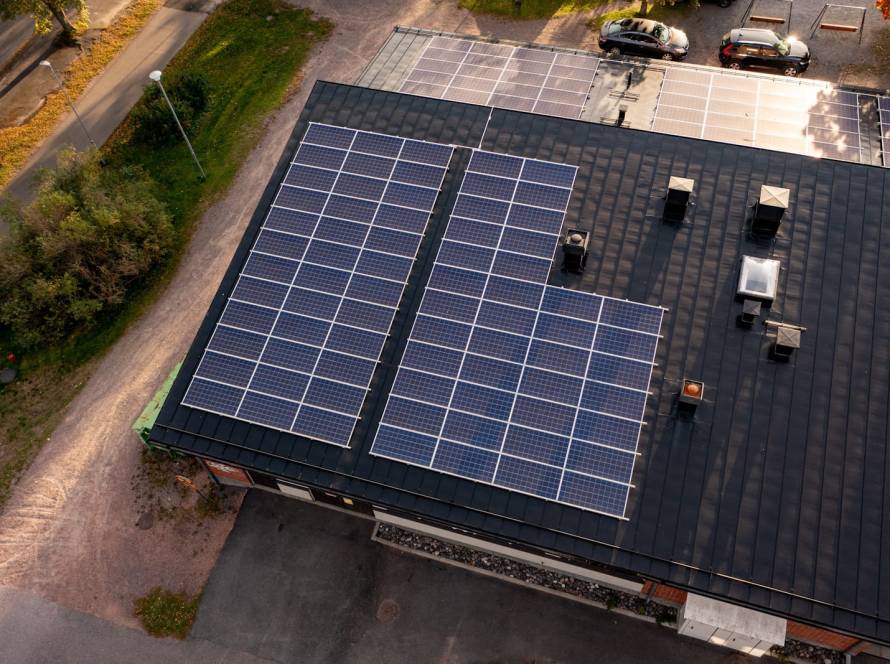
Office buildings often use most of their electricity during daylight hours, when solar panels can generate power. But air conditioning, lifts, servers and shared facilities can make a building’s demand more complex than its roof suggests. Choosing commercial solar for office buildings therefore starts with understanding how the property uses electricity and what the system needs to achieve.
A well-matched system may help reduce daytime electricity purchases, support selected equipment during supply interruptions or manage demand at particular times. The right design depends on the building’s usage, roof, electrical infrastructure and connection to the local electricity network. Providers should be able to explain how they assessed these factors and how they shaped their recommendation.
1. Why Local Experience Matters for Commercial Solar for Office Buildings
Local experience can help a provider account for the area’s climate, weather conditions, electricity supply arrangements and practical installation constraints. The provider should know which distributor serves the property and what that distributor requires for connecting and registering an embedded generation system. Ask whether the provider has completed projects in the area, and request references or examples that you can verify.
Rules and application processes can vary by supply area, so ask the provider to explain which approvals apply and who will manage them. Current national guidance distinguishes grid-connected systems of 100 kW or less, which must be registered with the relevant distributor, from systems above 100 kW, which must be registered directly with the national regulator. The threshold applies whether the electricity is exported or used on site. Confirm the requirements for the specific project before work begins.
2. Experience With Office Buildings and Business Parks
An office’s electricity demand may come from air conditioning, lifts, lighting, servers, security systems, kitchens and shared facilities. These loads can change throughout the day and across the week. A provider with relevant commercial experience should ask how the building operates, which services must remain available and whether the property has multiple tenants, meters or common areas.
Ask to see examples of office or business park projects with comparable building layouts and energy demands. Find out what the provider learned from those projects and how that experience informs the proposed design. Residential installations may demonstrate solar experience, but they do not necessarily show that a provider can coordinate work around tenants, shared infrastructure or essential building services.
A provider’s relevant commercial experience should be clear in its project examples and the questions it asks about the building. Use the following points to assess whether its experience applies to your site:
- Examples of office or business park projects with comparable energy use.
- Experience coordinating work in occupied buildings with tenants or shared facilities.
- Familiarity with office loads such as air conditioning, lifts, servers and security systems.
- References that you can contact to ask about project delivery and ongoing support.
Ask the provider to explain how each example relates to your building, including any differences in operating hours, equipment or electrical infrastructure. This helps show whether the recommendation draws on relevant experience or relies on a general commercial system design.
Also ask what role the provider had in each project, what services it delivered and whether it continues to support the systems after commissioning. These details can help you assess whether its experience covers the parts of the project your building needs.
3. How the Provider Assesses the Building
A thorough assessment should begin with electricity bills and interval data, where available, to show how much energy the building uses and when demand is highest. The provider should also inspect the roof’s condition, usable space, shading and expected lifespan. If the structure’s ability to carry the proposed system is uncertain, the assessment should identify whether a further structural check is needed.
The provider should examine the existing electrical infrastructure, including switchboards, metering, cable routes and the point where the solar system would connect. They should ask about building hours, seasonal demand and planned roof or electrical work. A proposal for commercial solar for office buildings should reflect these findings, explain any information that is missing and identify what might change the design or cost.
A building assessment should collect the information needed to design a system for the actual property. Check that the provider has considered:
- Electricity bills and interval data to understand consumption patterns.
- Roof condition, usable panel area, shading and expected roof lifespan.
- Structural suitability, including whether further engineering checks are needed.
- Electrical infrastructure such as switchboards, meters and cable routes.
- Building hours, seasonal demand and planned maintenance or upgrades.
The provider should use these findings to explain which parts of the building can support the proposed system and which may need further investigation. The assessment should inform the design instead of simply confirming a system size selected in advance.
If information is missing, ask how that gap affects the design, costs or estimated performance. The provider should explain what additional checks are needed and whether its proposal is preliminary or ready for a final decision.
4. Choosing a System That Matches the Office’s Needs
A grid-tied system supplies the building while the grid is available. Whether surplus electricity can be exported depends on the applicable distributor’s rules and the approved system configuration. A hybrid system combines solar, batteries and a grid connection; it may supply selected loads during an outage if the system has been designed to do so. Solar-plus-battery systems store some generated electricity for later use or backup.
The provider should connect its recommendation to the building’s priorities. Reducing daytime electricity purchases may call for a different design from backing up servers, security or other critical equipment. If managing peak demand is a goal, ask how the system is expected to affect demand at those times. The proposal should explain which loads are supported, when the battery is expected to charge and discharge, and what happens when solar generation is low.
5. What to Check in the Solar Proposal
The proposal should clearly state the system capacity, expected generation, estimated savings, project costs and the assumptions behind each figure. These assumptions may include electricity tariffs, operating hours, expected self-consumption and any income or credit from exported power. Ask the provider to show how the estimates were calculated and which factors could cause actual results to differ.
For a battery, check its usable capacity, power rating, supported loads and estimated backup duration. Also ask whether the cost includes metering changes, connection work, approvals and commissioning, or whether some items are provisional. A clear proposal for commercial solar for office buildings should distinguish estimates from guarantees and make it possible to compare offers on a like-for-like basis.
Use the following checklist when reviewing the figures, assumptions and inclusions in each proposal:
- System capacity and expected solar generation.
- Estimated savings and the assumptions used to calculate them.
- Tariff, operating-hour, self-consumption and export assumptions.
- Battery capacity, power rating, supported loads and estimated backup duration, where relevant.
- Project costs, including any provisional connection or metering work.
Ask the provider to walk you through how it arrived at its projections and which assumptions have the greatest effect on them. Request a clear explanation of any figures that depend on future tariffs, operating patterns or export arrangements.
A transparent proposal makes it easier to compare providers and see whether each recommendation reflects the building’s conditions. Before deciding, confirm which costs are fixed, which are provisional and what could cause the final project cost to change.
6. Engineering, Approvals and Project Delivery
The provider should explain who is responsible for electrical design, engineering checks, distributor or municipal applications, safety planning, installation, testing and commissioning. Ask what documentation you will receive at handover, such as the relevant electrical compliance documents, equipment information, system settings and monitoring instructions. One accountable project team can make it easier to track responsibilities and resolve issues across these stages.
Clarify who will handle registration and connection requirements before installation starts. Depending on the supply area and project, the connection process may involve application fees, metering changes or network upgrades. Ask for a schedule that shows when the provider will submit applications, what decisions depend on external approval and how delays could affect the project.
7. Planning Installation Around Office Operations
A good installation plan should cover roof access, working-at-height controls, site security, deliveries, storage and the sequence of work. For an occupied office building, the provider should coordinate with facilities staff and explain how contractors will access shared spaces. Staff and tenants should know when work is planned and whom to contact if it affects their area.
Electrical changeovers need particular attention because some work may briefly interrupt building services. Ask which systems could be affected, how long interruptions may last and how the provider will coordinate them. The installation schedule for commercial solar for office buildings should identify critical services, planned shutdowns and the steps for keeping essential operations running where possible.
Before installation begins, confirm that the provider has considered the building’s operations in its work plan. The plan should cover:
- Roof access and safety controls for installation teams.
- Site security, deliveries and storage of equipment.
- Work phases and access to shared or tenant areas.
- Planned electrical changeovers and possible service interruptions.
The provider should share the schedule with the facilities team and identify when staff or tenants need to be informed. Agree who will coordinate access, communicate changes and respond if work affects building services.
The plan should also explain how the provider will respond if a changeover takes longer than expected or an installation stage has to be rescheduled. Clear communication can help facilities teams manage access and reduce avoidable disruption to daily operations.
8. Financing, Warranties and Ongoing Support
With a direct purchase, the business pays for the system and should establish who owns, monitors and maintains it. A Power Purchase Agreement (PPA) typically involves buying electricity generated by a system under an agreed contract; review the price, escalation terms, contract length and responsibilities carefully. Rent-to-own arrangements also need clear terms about payments, maintenance, ownership and what happens at the end of the agreement.
Ask what the equipment and workmanship warranties cover, how monitoring works and whether maintenance is included. Find out how faults are reported, what response times apply and who investigates if the system performs below expectations after commissioning. For commercial solar for office buildings, support arrangements matter throughout the system’s operating life, so confirm who remains responsible once installation is complete.
9. Questions to Ask Before Choosing a Provider
Before choosing a provider, ask what office or business park projects it has completed in the area and whether it can provide references for buildings with similar conditions or energy use. Find out what electricity bills and interval data informed its assessment, how it checked the roof and electrical infrastructure, and why the recommended system suits the building’s priorities.
Ask which assumptions support its generation and savings estimates, which approvals and registrations apply, and who will manage them. Discuss how installation could affect tenants, staff and building services, then review the full terms for each financing option, warranties, monitoring, maintenance and response times. Clear answers and supporting project examples make it easier to compare commercial solar for office buildings providers on the evidence behind their recommendations.
Top Commercial Solar Panel Systems for Office Buildings Near Me
At Eversolar, we offer top commercial solar panel systems for office buildings, with grid-tied, hybrid and off-grid configurations. We tailor our Solar PV, Battery Energy Storage Systems (BESS) and full EPC project delivery to each business’s operational and financial requirements.
For an office building, the right system depends on its energy use, operating priorities and existing infrastructure. Our commercial solutions can be integrated with office operations to help manage electricity expenditure, maintain continuity and support future business growth. We offer the following configurations:
- Grid-tied systems: Offset electricity consumption while maintaining access to the grid when solar generation is low.
- Hybrid systems: Combine Solar PV and BESS to store and use energy, reduce peak demand charges and provide reliable power during outages.
- Off-grid systems: Provide independent power for remote or energy-intensive facilities.
We offer flexible financing options, including Power Purchase Agreements and Rent-to-Own Solar, to help businesses adopt solar infrastructure while maintaining predictable energy costs. We can tailor the project approach to the organisation’s financial strategy and operational requirements.
We manage projects through engineering and full EPC delivery, with a focus on integrating systems into existing operations. After commissioning, we provide remote performance monitoring, preventive maintenance, rapid technical assistance and ongoing system optimisation.
Choose a Provider With a Clear, Evidence-Based Plan
Choosing commercial solar for office buildings starts with finding a provider that understands the building’s energy use, infrastructure and operational priorities. Review how clearly each provider explains its assessment, system recommendation, proposal assumptions, approvals and ongoing support.
At Eversolar, we deliver commercial solar solutions tailored to each business’s operational and financial requirements. Our team can help you assess your office’s needs, explore suitable system and financing options, and plan a project around your operations. Contact us to discuss a solar solution for your office building.
FAQs
How can commercial solar benefit an office building?
A commercial solar system can reduce the electricity an office buys from the grid, especially when the building uses power during daylight hours. Solar panels generate electricity for operating equipment such as air conditioning, lighting, lifts, computers and servers. A grid-tied system continues to use the electricity supply when solar generation is low. A hybrid system can add battery storage for selected loads or help manage peak demand. The benefit depends on the building’s consumption profile, tariffs, roof space, system design and connection rules. Ask providers to base their estimates on your bills and interval data, rather than generic savings figures.
What is the difference between grid-tied and hybrid office solar?
A grid-tied system connects solar panels to the building’s electrical supply and the grid. It can offset electricity use while the grid is available, but it does not usually provide backup during an outage unless designed with equipment. A hybrid system combines solar, batteries and a grid connection. Depending on its design, it can store excess solar energy and supply selected circuits when the grid is interrupted. The provider should explain which office loads will receive backup, how long the battery may support them, and what happens when storage is depleted. Exporting surplus electricity is subject to local distributor requirements.
Does an office solar system need battery storage?
Battery storage is most useful when an office needs to use solar energy after generation falls, support selected equipment during an outage, or manage demand at specific times. A provider should compare the cost of storage with the value of those needs, using the building’s load profile and operating priorities. Batteries are not required for every solar project. Their capacity and power rating should match the loads they are intended to support, such as servers, security or essential lighting. Ask for an explanation of expected backup duration, charging assumptions, warranty terms and monitoring before deciding whether storage suits the building.
Do office solar systems need municipal or electricity distributor approval?
Grid-connected solar projects may require registration or approval from the relevant electricity distributor, as well as technical documentation and electrical safety certification. Requirements depend on the system’s capacity, connection and local supply arrangements. The provider should identify which applications apply, who will prepare and submit them, and whether metering changes or network work may be needed. Ask for copies of approvals and handover documents, including electrical compliance records and system information. Do not assume that a system is exempt because it will not export power. Confirm the current requirements with the distributor before installation and before switching on the system.
How can a business finance commercial solar for an office?
Office solar can be funded through direct purchase, a Power Purchase Agreement or a rent-to-own arrangement. With direct purchase, the business pays for the system and should clarify who owns and maintains it. A PPA generally involves buying electricity generated under a contract, so review its tariff, escalation, term and responsibilities carefully. Rent-to-own agreements need clear payment, maintenance and ownership-transfer terms. Compare costs over the contract period, not only payments. Check equipment and workmanship warranties, monitoring access, maintenance scope, fault response times and performance responsibilities. Request an explanation of what happens if the building is sold or the contract ends.