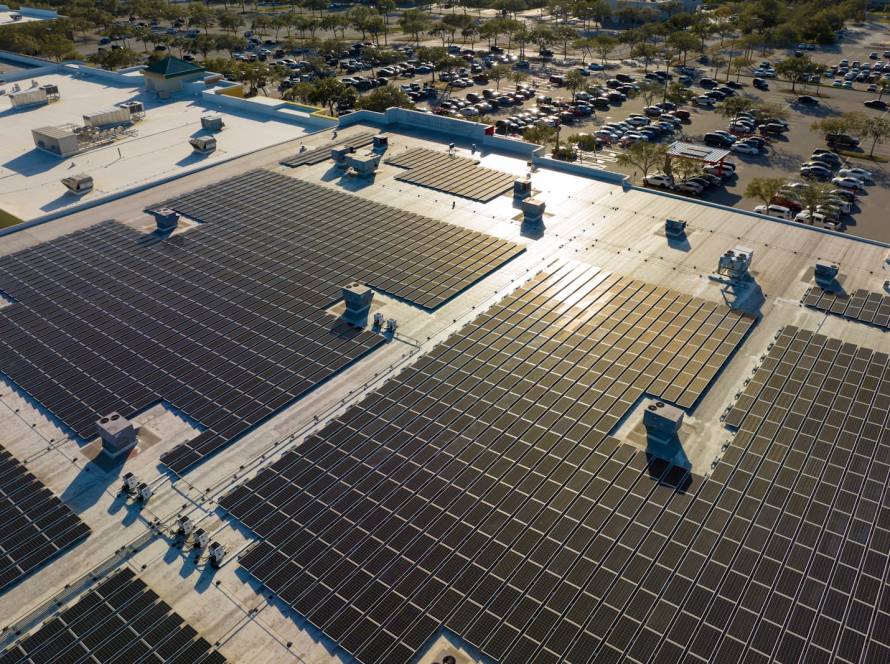
Manufacturing facilities often use large amounts of electricity throughout the working day. Machinery, compressors, refrigeration, process equipment and ventilation can place continual pressure on operating costs. Rooftop solar vs ground-mounted solar is therefore an important decision for any facility that wants to reduce its reliance on grid electricity while making better use of the energy it produces on site.
Both options can support lower electricity costs and long-term energy planning. The strongest choice depends on the building, available land, daily consumption profile, structural condition and plans for future expansion.
Rooftop Solar vs Ground-Mounted Solar Starts With Your Energy Demand
A solar system should match how and when a manufacturing facility uses electricity. Sites with a consistent daytime load often gain the strongest value because they can use more solar power as it is generated. Reviewing interval consumption data helps identify the site’s daytime baseload, peak-demand periods and whether generation will offset electricity that the facility would otherwise buy from the grid.
The rooftop solar vs ground-mounted solar decision should not start with the largest possible system. It should begin with a realistic view of the facility’s operations. A well-sized installation supports high self-consumption, reduces unnecessary export and creates a more dependable foundation for financial modelling. Future changes, such as additional production lines, refrigeration capacity or electric vehicle charging, should also form part of this assessment.
Rooftop Solar Makes Use of Existing Building Space
Commercial rooftop solar uses an existing asset without taking up yard, parking or operational space. For many manufacturing facilities, this makes it the natural first option. A suitable roof can host panels close to the main electrical load, which can simplify cable routes and help the system support electricity use within the building.
However, the roof must be assessed before design begins. Its remaining lifespan, load-bearing capacity, waterproofing condition, layout and access requirements all matter. Plant equipment, vents, parapets and nearby buildings may also create shading or reduce the usable installation area. A structurally sound, relatively clear roof with a long remaining life gives rooftop solar the best chance of delivering reliable performance.
Key considerations when assessing a manufacturing roof include:
- Remaining roof lifespan: The roof should have enough useful life remaining to avoid the need to remove and reinstall panels for future repairs or replacement.
- Structural capacity: A qualified assessment should confirm that the roof can safely support the solar system and any required mounting equipment.
- Usable roof area: Roof plant, vents, skylights, access routes and safety clearances can reduce the space available for panels.
- Shading risks: Nearby buildings, roof structures and equipment can affect generation and should form part of the design assessment.
- Access and maintenance: Safe access arrangements help technicians inspect and maintain the system without disrupting production activities.
A rooftop system can provide a practical starting point when the building meets these conditions. It allows manufacturers to turn unused roof space into a productive energy asset while retaining ground-level areas for logistics, storage and future development.
Early roof assessments also help the business avoid unsuitable designs or unexpected work later in the project. By understanding the limitations of the building from the start, manufacturers can decide whether rooftop solar alone is sufficient or whether they should consider additional ground-mounted capacity.
Rooftop Solar vs Ground-Mounted Solar Depends on Space and Site Layout
Where a facility has limited open land, rooftop solar protects valuable operational space. It allows the business to generate renewable electricity without affecting vehicle movement, storage, expansion plans or outdoor production activities. This can make it particularly practical for tightly developed industrial sites where every square metre already has a purpose.
Ground-mounted solar becomes more attractive when the site has unused or underused land close to the facility. It can provide capacity beyond what the roof can accommodate and does not rely on the condition of the building. The land still needs careful consideration, as the array must not interfere with future site development, access routes, drainage, underground services or ongoing operations. A long-term site plan helps confirm whether the land can support solar without limiting future business needs.
When comparing available roof and ground space, manufacturers should consider:
- Land that has no immediate operational purpose: Unused or underused areas may provide a suitable location for a ground-mounted array.
- Vehicle and delivery routes: Solar infrastructure should not disrupt traffic flow, loading areas or emergency access.
- Future site expansion: Land reserved for additional buildings, storage or production should not be committed to solar without careful planning.
- Electrical connection distance: The route between the solar array and the site’s electrical infrastructure can influence design complexity.
- Drainage and underground services: A detailed site assessment helps identify features that may affect construction or ongoing access.
The right option depends on how the site functions today and how management expects it to change. Rooftop solar can preserve important ground-level space, while ground-mounted solar can provide the flexibility to install more capacity where the property has suitable land.
A facility may also find that neither option needs to exclude the other. A structured site review can identify roof areas that are immediately suitable, along with land that could support a later expansion. This allows the business to make a decision based on long-term practicality rather than a short-term space calculation.
Ground-Mounted Systems Offer Greater Design Flexibility
Ground-mounted arrays allow designers to choose the panel orientation, tilt and spacing that best suit the location. Unlike rooftop systems, they do not need to follow the angle or direction of the building. This flexibility can improve solar yield and make it easier to avoid shading from structures, roof equipment or adjacent buildings.
Ground-mounted solar also makes maintenance more straightforward because technicians can inspect, clean and repair panels from ground level. Easier access can support faster fault response and regular performance checks. The system does, however, require proper security, vegetation management and safe access planning. Manufacturers should consider these ongoing responsibilities at the design stage, rather than treating them as an afterthought once the system is operating.
Rooftop Solar vs Ground-Mounted Solar Has Different Approval Requirements
Rooftop solar may have a simpler approval path, but each facility should still confirm local requirements before committing to a project. Building ownership, lease conditions, municipal processes, fire safety, electrical compliance and roof warranties can all influence what the facility can install. Early consultation prevents delays and ensures the design works within the site’s practical and legal constraints.
In the rooftop solar vs ground-mounted solar comparison, ground-mounted projects often need more detailed site assessment. The land may require consideration of environmental conditions, drainage, visual impact, fencing, access and nearby infrastructure. Grid connection capacity also matters for both options. A system can only deliver its planned value if the site’s electrical infrastructure can safely accommodate the generation and any planned future expansion.
Before proceeding, manufacturers should confirm:
- Property ownership and lease conditions: The business must have the required rights to use the roof or land for the expected lifespan of the solar system.
- Municipal and planning requirements: Local processes may differ depending on the installation type, site location and project scope.
- Electrical compliance requirements: The design and installation must integrate safely with the facility’s existing electrical infrastructure.
- Fire safety and access provisions: The system layout should maintain appropriate emergency access and support safe site operations.
- Grid connection capacity: Early checks help determine whether the site can accommodate the planned solar capacity and future additions.
These requirements do not prevent a manufacturing facility from benefiting from solar. They simply show why a site-specific assessment is essential. It gives the business a clearer understanding of what each option requires before it makes a major operational commitment.
Approvals and technical requirements should also form part of the project timeline from the beginning. Addressing them early reduces the chance of redesigns, delays or a system that does not align with the facility’s future electricity needs.
Cost Savings Rely on Self-Consumption, Not Only System Size
A larger solar system does not automatically create a better result. The key question is how much of the generated electricity the facility can use while its equipment is running. High daytime demand usually supports stronger self-consumption, which makes solar particularly suitable for many manufacturing operations. Electricity used directly on site generally delivers more value than surplus power sent elsewhere.
Rooftop systems can offer an efficient starting point because they use existing building space, while ground-mounted systems can increase capacity where the load and land justify it. The best option should come from a full assessment of generation, consumption, electrical infrastructure and future demand. Battery storage may also help facilities use more solar power later in the day, especially where operations continue beyond daylight hours or demand patterns vary between shifts.
Combining Both Solar Options Can Support Future Growth
Some manufacturing facilities do not need to choose one option permanently. A combined installation can use suitable roof areas first and add ground-mounted capacity where the site requires more generation. This approach can allow the business to phase investment around operational priorities while preserving the ability to grow its solar capacity over time.
A combined design works well when part of the roof is suitable but cannot meet the full daytime load. It can also help facilities preparing for expansion, electrified equipment or increased production. Planning the electrical connection for the eventual total capacity from the beginning can prevent unnecessary changes later. This gives the facility a clearer route to scale without redesigning the entire energy strategy.
A combined solar approach can support manufacturers that need:
- More generation than the available roof can provide: Ground-mounted capacity can supplement production from suitable rooftop areas.
- A phased implementation plan: The facility can begin with the most practical installation area and expand as needs change.
- Flexibility for operational growth: Additional capacity can support new equipment, expanded production or increased electricity demand.
- A practical solution for mixed site conditions: Suitable roof sections can be used while unsuitable roof areas do not hold back the overall solar strategy.
- A long-term energy plan: Designing for the eventual system capacity can make later expansion easier to manage.
Combining the two options can provide a balanced route for facilities with complex energy needs. It helps manufacturers use existing roof space effectively while retaining the ability to add capacity beyond the building’s physical limits.
This approach also supports a more measured decision-making process. Rather than delaying solar until every part of the site is ready, the business can start with the strongest opportunity and build on it as production requirements, budgets and site plans develop.
Case Study: Choosing the Most Efficient Solar Layout for a Manufacturing Facility
A manufacturing facility faced rising electricity costs from its daily production activity, refrigeration equipment and supporting machinery. Management knew solar could reduce the amount of electricity purchased from the grid, but they needed to make the right long-term decision. The roof offered a sizeable area, while a section of land on the property appeared available for a ground-mounted installation. They did not want to commit to a system that looked suitable initially but limited savings or future growth.
The team reviewed reputable information comparing ground-mounted and rooftop solar, then consulted experienced industry professionals. They examined daytime electricity use, roof condition, shading, structural capacity, land availability and the site’s future expansion plans. They also considered electrical connection requirements, maintenance access and whether the business could use most of the solar electricity as it was generated.
Their findings showed that the roof could support a meaningful solar installation, but rooftop space alone would not meet the facility’s longer-term energy needs. The business chose a phased approach, starting with rooftop panels on the most suitable roof areas and preserving the available land for future ground-mounted capacity. This decision reduced immediate electricity costs while keeping a practical path open for expansion as demand increased.
Which Commercial Solar Systems Are Best for Reducing Electricity Costs in Manufacturing Plants?
Eversolar offers commercial solar systems that can reduce electricity costs in manufacturing plants by matching the system configuration to the facility’s operating needs. We provide grid-tied, hybrid and off-grid solar solutions, alongside Battery Energy Storage Systems and full EPC project delivery. A grid-tied system can offset electricity consumption during solar generation hours while maintaining access to the grid when solar production is lower. This makes it a practical solution for manufacturing plants with consistent daytime demand. Our hybrid systems combine Solar PV with battery storage to help facilities store and use more of their generated energy, reduce grid reliance and maintain reliable power during outages.
For remote or energy-intensive manufacturing facilities, off-grid systems can provide greater energy independence and reduce dependence on diesel or backup generators. We also provide flexible financing options through Power Purchase Agreements and Rent-to-Own Solar, helping businesses adopt solar infrastructure while maintaining predictable energy costs. Our full EPC delivery supports every stage of the project, from precision engineering and system integration to installation and long-term optimisation. With remote performance monitoring, preventative maintenance and ongoing technical support, we help manufacturing plants maintain reliable system performance while their energy requirements grow.
Manufacturing facilities can choose from several commercial solar solutions based on their energy profile:
- Grid-tied solar systems: These systems offset daytime electricity consumption while keeping the grid available when solar generation is lower.
- Hybrid solar systems: Solar PV and battery storage can work together to increase self-consumption, reduce grid reliance and support operations during outages.
- Off-grid solar systems: These systems can support remote or energy-intensive facilities that need greater energy independence.
- Battery Energy Storage Systems: Storage can help manufacturers use excess solar energy later, supporting a more flexible energy strategy.
- Full EPC project delivery: End-to-end engineering, procurement and construction helps integrate the solar system with existing manufacturing operations.
- Flexible financing options: Power Purchase Agreements and Rent-to-Own Solar can help businesses adopt solar infrastructure while maintaining predictable energy costs.
We use these solutions to build commercial solar systems around each facility’s operational and financial requirements. Our focus on precision engineering, integration with existing infrastructure and end-to-end project management helps manufacturers adopt solar with minimal disruption to production activities.
We also provide ongoing support through remote performance monitoring, preventative maintenance, technical assistance and system optimisation. This helps manufacturing plants maintain dependable solar performance and scale their energy capacity as operations develop.
Make a Site-Specific Solar Decision
Rooftop solar vs ground-mounted solar is not a question of one option always being better than the other. Rooftop solar can make excellent use of a sound, unshaded building, while ground-mounted solar can provide scale, design flexibility and independence from roof limitations. The right decision comes from understanding the facility’s electricity profile, available space, building condition and long-term operational plans.
Eversolar can help manufacturing facilities assess these factors and identify the solar solution that best supports their energy goals. Get in touch to discuss your site, evaluate the available options and develop a practical plan for reducing electricity costs with commercial solar.